




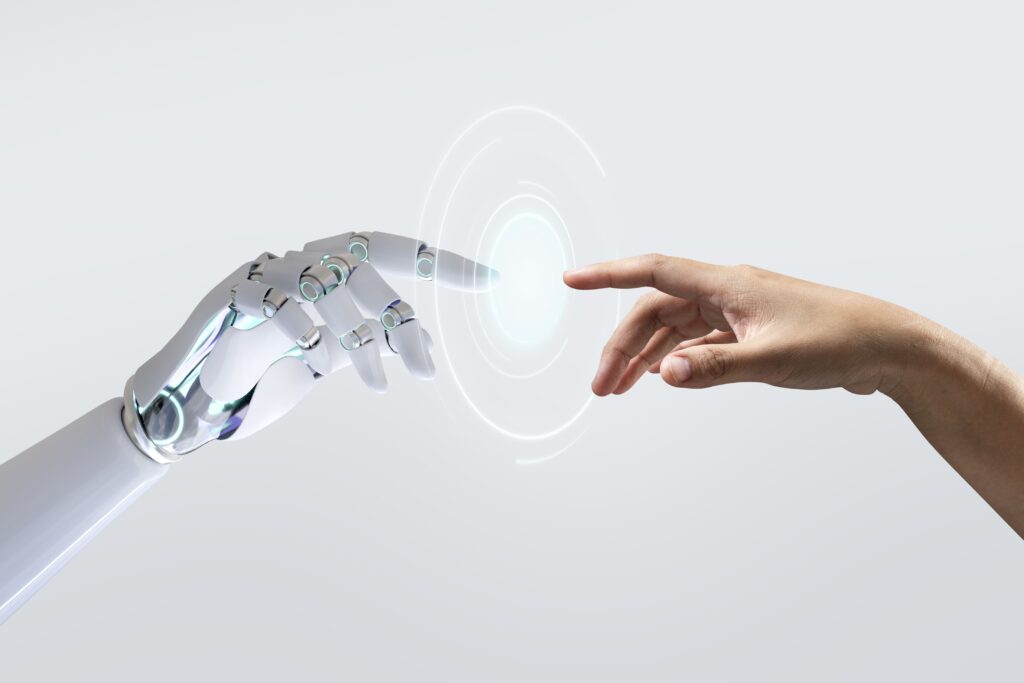

The New Era of TPA Value: AI-Powered Prevention
For decades, TPAs built their reputation on adjudication accuracy, operational reliability, and consistent customer service. However, as employer healthcare costs surge due to chronic disease, GLP-1 utilization, MSK escalation, and rising mental health claims, the industry can no longer depend solely on traditional administrative excellence. Instead, the future requires a proactive model centered on AI preventive health for TPAs, where predictive insight, early intervention, and measurable outcomes take precedence.
Moreover, although claims reporting will always remain important, employers increasingly expect forward-looking intelligence rather than retrospective analysis. This shift has made AI preventive health for TPAs not just advantageous but essential. By identifying rising risk earlier, guiding personalized interventions, and helping prevent costly claims, AI fundamentally reshapes how TPAs deliver value. Consequently, organizations adopting AI preventive health for TPAs are redefining their competitive position in an outcomes-driven market.
Ultimately, the TPAs who embrace AI preventive health for TPAs will lead the next era of employer health strategy, while those who hesitate may struggle to remain relevant as prevention becomes the new standard of excellence.
Why Prevention Has Become the Core Opportunity for TPAs
Before exploring how AI reshapes preventive health, it is important to understand why prevention has emerged as the most urgent priority for employers.
1. Chronic Disease Is Driving Unsustainable Costs
Chronic conditions remain the largest driver of employer healthcare costs, accounting for an estimated 90% of the nation’s $4.1 trillion in annual healthcare expenditures according to the CDC (CDC, Chronic Disease Facts). Conditions such as diabetes, obesity, hypertension, musculoskeletal (MSK) disorders, and cardiometabolic disease continue to rise across working-age populations. Mental health–related conditions—including stress, anxiety, and depression—also contribute significantly to direct medical costs and indirect productivity losses, with the CDC estimating $147+ billion annually in lost workplace productivity.
Despite this growing burden, these risks develop slowly over months or years. Claims data often identifies chronic disease only after costly complications, specialist visits, imaging, or medication escalation occur. As many health-services researchers note, claims data are ‘inherently retrospective’ — capturing care only when it is billed — which can delay detection until after chronic conditions escalate.
This is why reliance on retrospective reporting is no longer sufficient for TPAs or employers. Prevention requires earlier insight—through behavioral data, lifestyle indicators, and real-time engagement signals—long before a chronic condition emerges in claims.
2. Employers Want Predictive Insight — Not Delayed Reporting
Increasingly, employers ask questions that claims data alone cannot answer:
- Where is risk rising right now?
- Which behaviors are driving future claims?
- How can we intervene earlier?
- Which teams require immediate wellbeing support?
Because AI can analyze behavioral, lifestyle, engagement, and environmental data in real time, it provides visibility that employers cannot obtain elsewhere. Thus, AI empowers TPAs to guide employer strategy with greater accuracy and urgency.
3. Claims Data Alone Cannot Drive Prevention
Although claims data is essential, it is inherently retrospective. It reflects conditions only after they become costly. AI, however, enables TPAs to merge claims with wellness activity, lifestyle signals, sentiment analysis, participation metrics, and preventive care adherence. Consequently, TPAs gain a holistic view of population health and can identify risk patterns far earlier.
4. Employers Expect TPAs to Prevent Rather Than React
The industry is rapidly transitioning:
- from paying claims to preventing claims
- from merely reporting risk to actively reducing risk
- from valuing participation to prioritizing outcomes
Given this shift, AI has become the mechanism that unlocks proactive, preventative care at scale.
How AI Is Revolutionizing Preventive Health for TPAs
AI is reshaping the TPA landscape in several transformative ways, many of which directly enhance employer satisfaction and reduce preventable spend.
1. AI Detects Rising Risk Before It Becomes a Claim
Because claims lag by several months, TPAs often identify risk too late. AI eliminates this delay by detecting early indicators of:
- metabolic instability
- MSK deterioration
- burnout and emotional strain
- sleep disruption
- sedentary behavior
- sudden declines in engagement
- gaps in preventive care
- shifts in lifestyle patterns
For example, a combination of reduced movement, declining sleep quality, and elevated stress may signal MSK risk. Similarly, missed preventive screenings paired with weight-related trends may indicate emerging metabolic concerns. Ultimately, AI identifies conditions at the stage when intervention is most likely to succeed.
2. AI Creates Personalized Wellness Journeys at Scale
Traditional wellness programs often fail because one-size-fits-all content rarely drives meaningful change. By contrast, AI personalizes every member’s experience, tailoring:
- recommended programs
- daily habit goals
- MSK routines
- stress management activities
- nutrition guidance
- sleep support
- wellness challenges
- preventive care reminders
Moreover, these journeys adjust continuously based on member behavior. If an individual demonstrates rising stress, AI may shift their content toward resilience training. If movement patterns decline, it may introduce mobility challenges. Because personalization improves relevance, participation increases—and improved participation leads to improved outcomes.
3. AI Enhances Engagement by Anticipating Behavior
Engagement is often inconsistent in traditional wellness programs. However, AI can predict and influence participation by analyzing patterns in behavior, timing, incentives, and content preferences. For example, AI can recommend notifications at optimal times, suggest challenges aligned with prior activity, and intervene when early signs of disengagement appear. Consequently, employers observe stronger, more sustained engagement that ultimately leads to better health outcomes.
4. AI Helps TPAs Forecast Claims and Quantify Prevention
One of the most significant advantages of AI is its ability to quantify the financial impact of wellness interventions. AI models can estimate:
- predicted claims spend
- likelihood of chronic condition progression
- cost avoidance from early detection
- changes in risk categories
- reductions in MSK, metabolic, and mental health claims
Therefore, TPAs can demonstrate preventive value with unprecedented precision. Instead of vague reporting, TPAs can now say, “This intervention prevented X high-cost claims” or “We reduced rising-risk members by Y%.”
5. AI Enables Real-Time Population Health Dashboards
Employers are no longer satisfied with quarterly reports. Consequently, AI-powered dashboards provide real-time insight into:
- burnout indicators
- MSK and mobility risk
- metabolic trends
- sleep health
- participation patterns
- departmental wellbeing disparities
- preventive care engagement
Because these dashboards highlight risk as it emerges, employers can intervene sooner, prioritize resources more effectively, and hold managers accountable for team-level wellbeing.
6. AI Strengthens Mental Health Prevention
Mental health conditions have become one of the most significant cost drivers for employers. Fortunately, AI identifies early markers of burnout, isolation, declining resilience, disrupted sleep, and reduced engagement. As a result, TPAs can direct employees to appropriate mental health resources before crises occur, lowering medical claims, disability risks, and productivity losses.
7. AI Improves Preventive Care Compliance
Because preventive screenings are among the strongest predictors of long-term cost savings, AI ensures members receive timely reminders for:
- cancer screenings
- dental and vision exams
- annual physicals
- biometric tests
- immunizations
Moreover, AI can prioritize reminders for individuals at elevated risk, ensuring that the intervention is both targeted and effective.
8. AI Strengthens the TPA’s Position in Competitive RFPs
Brokers and employer groups increasingly evaluate TPA capabilities through an outcomes-oriented lens. Therefore, AI becomes a differentiator. TPAs equipped with AI can demonstrate predictive analytics, personalized wellbeing experiences, unified reporting, and measurable outcomes. These capabilities consistently outperform traditional models in RFP evaluations and renewal discussions.
Where AI Generates the Greatest Impact: MSK, Metabolic, and Mental Health Prevention
AI is especially powerful in three high-cost categories:
1. MSK Prevention
AI analyzes movement patterns, ergonomics risk, sedentary behavior, and posture-related signals. Once identified, AI can recommend corrective exercises, mobility programs, and personalized routines that reduce MSK claims and prevent chronic pain escalation.
2. Metabolic and Obesity-Related Risk
By combining data on activity levels, weight, sleep, stress, and nutrition, AI identifies early metabolic concerns. Consequently, TPAs can intervene before individuals progress toward diabetes or obesity-related cost spikes, including GLP-1 utilization.
3. Mental Health and Burnout
AI identifies behavior changes associated with emotional distress. By prompting early intervention, it prevents expensive downstream outcomes such as ER visits, disability leaves, or severe clinical escalation.
How Woliba Uses AI to Help TPAs Improve Outcomes
Woliba’s AI capabilities are designed specifically for TPAs seeking to deliver measurable improvements in population health. Through a unified, AI-powered ecosystem, Woliba provides:
Real-Time Behavioral Intelligence
Woliba analyzes thousands of data points to identify risk early.
Personalized Wellness Journeys
Each user receives a customized path for MSK, metabolic health, mental wellbeing, sleep, and resilience.
Predictive Risk Modeling
TPAs can quantify cost savings, risk migration, and intervention impact.
Dynamic Engagement Optimization
AI determines the most effective timing and channel for each message.
Unified Population Health Reporting
All wellness, lifestyle, engagement, and preventive care insights appear in one centralized dashboard.
Whole-Person Prevention
Woliba supports physical, mental, emotional, and social wellbeing in a single platform.
The Bottom Line: AI Is Redefining TPA Success
The future of the TPA industry will be defined not by how effectively TPAs process claims, but by how effectively they prevent them. AI equips TPAs to:
- identify rising risk earlier
- intervene more effectively
- personalize member journeys
- reduce chronic disease progression
- prevent MSK and metabolic claims
- support mental health proactively
- lower overall healthcare spend
- deliver measurable, data-driven outcomes
- strengthen employer retention
Although AI cannot replace clinical care, it enables preventive care at a scale previously unattainable. Ultimately, TPAs who embrace AI will lead the industry forward, while those who resist will risk falling behind employers’ rapidly evolving expectations.