





Why Real-Time HR Has Become Non-Negotiable
Real-time HR is no longer a future aspiration—it is a present necessity for organizations navigating constant change. In an environment where employee expectations, workloads, and stress levels shift rapidly, real-time HR offers the visibility leaders need to respond before issues escalate.
For decades, organizations relied on annual engagement surveys to understand how employees felt at work. However, as the pace of change accelerated, the gap between insight and action widened. Today, real-time HR fills that gap by surfacing signals as they emerge rather than after outcomes have already occurred.
Because people risk moves faster than reporting cycles, real-time HR has become essential for protecting engagement, wellbeing, and trust. Without it, organizations remain trapped in hindsight while problems compound quietly.
This reality explains why annual surveys now feel increasingly disconnected from the way work actually happens.
The Problem With Waiting a Year for Answers
Annual surveys were designed for a slower world.
In the past, organizational change happened gradually. Leadership structures remained stable. Workloads followed predictable rhythms. Under those conditions, a yearly snapshot felt sufficient.
Today, however, teams reorganize quarterly, priorities shift monthly, and stress levels fluctuate weekly. When HR waits a full year to collect feedback, insights arrive long after the moment for prevention has passed.
By the time survey results surface:
- Burnout has already taken hold
- Engagement has already declined
- Trust has already eroded
At that point, HR explains outcomes instead of preventing them.
Why People Risk Moves Faster Than Surveys
People risk does not operate on an annual timeline.
Stress builds incrementally. Engagement fades quietly. Belonging weakens through small, repeated signals. These changes happen continuously, not once a year.
Because of this pace, static measurement tools struggle to capture reality. Annual surveys provide reflection, but they cannot provide protection.
Real-time HR aligns insight with the speed at which risk actually develops.
Lagging Indicators Can’t Prevent Leading Problems
Annual engagement surveys are lagging indicators.
They tell organizations how employees felt after conditions already changed. While this information remains valuable for reflection, it arrives too late to guide timely intervention.
Leading indicators, by contrast, surface change as it happens.
Examples include:
- Shifts in engagement behaviors
- Declines in participation
- Changes in recognition patterns
- Early stress signals
Real-time HR brings these indicators into focus before outcomes become irreversible.
Research supports this shift. Gallup has found that employee engagement is far more dynamic than annual surveys account for, often changing multiple times within a single quarter—especially during periods of organizational change or increased workload. When organizations rely solely on annual engagement surveys, leaders frequently receive insight months after disengagement or burnout has already begun, limiting their ability to intervene early.
This gap between experience and measurement is exactly why real-time HR has become essential.
Why Leaders Feel Constantly Surprised
Many leaders express the same frustration:
“We didn’t see this coming.”
Unexpected turnover. Sudden disengagement. Burnout among high performers.
These surprises rarely stem from lack of care. Instead, they result from delayed visibility. When HR relies on annual surveys, leaders operate with outdated information.
Real-time HR reduces surprise by replacing assumptions with current signals.
Engagement Is Dynamic, Not Static
Engagement does not remain stable between survey cycles.
It rises and falls based on workload, leadership changes, recognition, and support. When measurement lags behind reality, HR misses critical inflection points.
Real-time HR acknowledges engagement as a living system rather than a fixed score.
This shift allows leaders to respond while engagement is still recoverable.
The Cost of Reactive Decision Making
When insight arrives late, decisions become reactive.
Organizations respond to:
- Exit interviews
- Declining survey scores
- Escalated burnout cases
Reactive responses cost more and disrupt teams. Preventative action, by contrast, stabilizes performance and protects trust.
Real-time HR enables prevention by shortening the distance between signal and response.
Why Annual Surveys Create a False Sense of Control
Annual surveys often create the illusion of measurement without delivering control.
Leaders review results, develop action plans, and communicate commitments. However, without ongoing visibility, follow-through becomes inconsistent.
Employees notice when feedback loops stall. Over time, survey participation declines, and skepticism grows.
Real-time HR restores credibility by demonstrating responsiveness rather than intention alone.
What Real-Time HR Actually Looks Like
Real-time HR does not mean constant surveying or employee overload.
Instead, it relies on passive and behavioral signals collected through everyday interactions. These signals accumulate naturally as employees engage with systems.
Examples include:
- Recognition activity
- Engagement participation
- Wellbeing check-ins
- Resource utilization trends
By observing patterns rather than interrupting work, real-time HR respects employee experience while increasing insight.
Why Frequency Matters More Than Volume
More data does not guarantee better decisions.
Timely data, however, enables relevance.
Real-time HR prioritizes:
- Smaller signals
- Frequent updates
- Trend analysis over snapshots
This approach reduces noise while increasing clarity.
The Role of Dashboards in Real-Time HR
Dashboards translate data into decision support.
Effective dashboards:
- Highlight change over time
- Surface anomalies quickly
- Present insight at the right level
When dashboards update in real time, HR leaders shift from reporting to monitoring.
This shift supports earlier conversations with leadership.
Why Managers Need Real-Time Signals Too
Managers often shoulder responsibility for engagement without adequate visibility.
Real-time HR supports managers by:
- Surfacing team-level trends
- Highlighting emerging stress
- Reducing guesswork
With this support, managers can intervene earlier and more consistently.
Trust Improves When Action Matches Feedback
Employees pay attention to what happens after feedback.
When organizations act quickly on emerging signals, trust strengthens. Conversely, delayed responses weaken credibility.
Real-time HR shortens feedback loops, demonstrating that employee voices influence action.
Wellbeing Requires Continuous Awareness
Wellbeing does not deteriorate overnight.
Stress accumulates through sustained pressure, lack of recovery, and unclear expectations. Annual measurement misses these gradual shifts.
Real-time HR enables continuous awareness, allowing HR teams to support wellbeing before burnout appears.
From Annual Planning to Continuous Adjustment
Annual surveys align with annual planning.
Modern organizations, however, require continuous adjustment.
People strategies must evolve alongside:
- Market conditions
- Workforce expectations
- Organizational change
Real-time HR supports agility by providing ongoing insight rather than delayed summaries.
Why Real-Time HR Elevates HR’s Role
When HR brings current insight to leadership conversations, credibility increases.
Instead of presenting historical data, HR can advise on present conditions and near-term risk.
This capability positions HR as a strategic partner rather than a retrospective reporter.
Balancing Insight With Employee Experience
Real-time HR must respect boundaries.
Ethical implementation focuses on:
- Aggregate trends, not individual surveillance
- Transparency around data use
- Purpose-driven insight
When designed thoughtfully, real-time HR strengthens trust rather than undermining it.
The Transition Away From Annual Surveys
Annual surveys will not disappear entirely.
However, their role will shift from primary measurement to contextual reflection.
Real-time HR fills the gap between surveys, providing continuity and responsiveness.
Together, both approaches offer a more complete picture.
Why Waiting Is the Bigger Risk
The greatest risk is not moving too fast.
The greater risk lies in moving too slowly while conditions change.
Organizations that delay real-time HR adoption remain reactive by default.
Those that embrace it gain resilience.
Where Woliba Fits In
This is where Woliba enables real-time HR in practice.
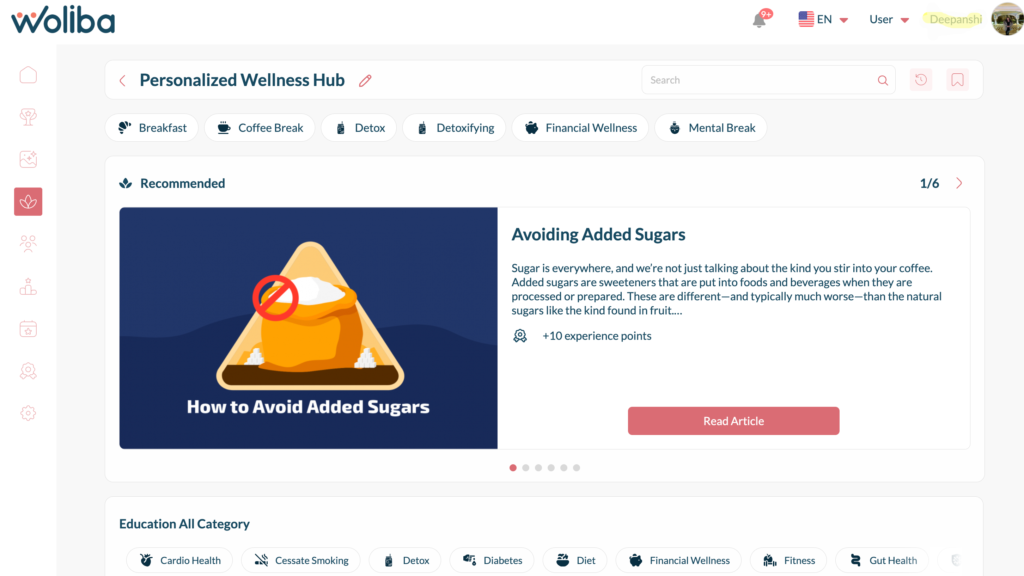
Through live engagement and wellbeing dashboards, Woliba helps HR teams:
- Monitor engagement and wellbeing trends continuously
- Identify emerging people risk earlier
- Support faster, more informed decisions
- Move from reactive responses to preventative action
Rather than relying on annual snapshots, Woliba provides a living view of the employee experience.
If people risk moves faster than your insights, annual surveys alone are no longer enough.
Visit woliba.io or book a demo to see how real-time dashboards can help HR lead with clarity and speed.