





The Expectations Shift HR Can’t Ignore
The modern employee experience sets the standard for how people evaluate work from the very beginning. From the first interaction with HR, the modern employee experience shapes whether employees feel supported, understood, and valued.
Over the last few years, expectations have shifted faster than most HR systems. Employees compare workplace experiences not only to past jobs but also to the technology and personalization they encounter everywhere else in life. As a result, the modern employee experience now requires clarity, ease, and relevance rather than complexity and compliance alone.
Despite this shift, many HR teams still rely on systems designed for a different era. When tools fail to adapt, the modern employee experience suffers quietly, even when HR teams work tirelessly behind the scenes.
This growing gap explains why employees expect more—and why frustration grows when HR can’t meet those expectations consistently.
What “Good Enough” No Longer Means
For years, HR success meant stability.
As long as systems worked, benefits existed, and processes stayed compliant, the employee experience passed as acceptable. However, what once felt sufficient now feels outdated.
Employees today expect:
- Easy access to information
- Personalized support
- Clear communication
- A sense of trust and transparency
When HR systems make employees work harder to get help, confidence erodes. Over time, that friction reshapes how employees view HR’s role entirely.
Why Employees Want HR to Feel Human Again
Employees don’t expect HR to have all the answers instantly. Instead, they expect HR to feel accessible, relevant, and responsive.
Research supports this shift. According to Gallup, employees who strongly agree their organization cares about their overall wellbeing are 69% less likely to actively look for a new job and 71% less likely to experience burnout. They are also significantly more likely to be thriving at work.
These outcomes aren’t driven by perks alone—they’re shaped by everyday experiences that feel human, accessible, and relevant.
The modern employee experience values:
- Empathy over bureaucracy
- Guidance over documentation
- Clarity over complexity
When interactions feel transactional, employees disengage emotionally. In contrast, when HR systems support human conversations, trust grows naturally.
The Gap Between Intention and Experience
Most HR leaders genuinely care about employee experience. Unfortunately, intent doesn’t always translate into impact.
Legacy tools often force HR teams into reactive modes. Data lives in silos. Processes require workarounds. Communication fragments across platforms.
As a result, even well-designed programs feel disconnected from daily employee needs. The experience gap widens despite good intentions.
Why Legacy Tools Struggle to Keep Up
Legacy HR systems were built to manage records, not relationships.
They excel at:
- Compliance tracking
- Data storage
- Standardized processes
However, they struggle with:
- Personalization
- Real-time insight
- Cross-functional integration
Because these systems weren’t designed around the modern employee experience, they introduce friction where simplicity should exist.
Employees Notice When Systems Don’t Talk to Each Other
From an employee perspective, fragmentation feels like indifference.
When wellbeing tools sit apart from recognition, and engagement platforms feel separate from benefits, employees must navigate complexity alone. Over time, they stop trying.
This fragmentation sends an unintended message: support exists, but accessing it requires extra effort.
Simplicity Is Now a Baseline Expectation
Simplicity no longer impresses—it reassures.
Employees expect:
- One place to go
- Clear next steps
- Minimal guesswork
When HR systems feel confusing, employees assume the organization hasn’t prioritized their experience. That assumption erodes trust quickly.
Personalization Signals Care, Not Favoritism
Personalization often gets misunderstood as special treatment. In reality, personalization signals relevance.
The modern employee experience recognizes that:
- Employees have different needs
- Roles shape stress differently
- Life stages affect priorities
When HR delivers one-size-fits-all programs, employees disengage quietly. Personalized journeys, by contrast, help employees feel seen without creating chaos.
Why Trust Depends on Consistency
Trust forms when experiences align with promises.
If HR communicates support but systems feel inaccessible, trust weakens. If policies exist but guidance feels unclear, confidence fades.
Consistency across touchpoints reassures employees that HR means what it says.
The Emotional Cost of Clunky Systems
Employees rarely complain directly about HR systems. Instead, frustration shows up as:
- Avoidance
- Reduced participation
- Hesitation to ask for help
Over time, these behaviors affect engagement and wellbeing. The cost remains hidden until outcomes surface later.
HR’s Role Is Expanding—But Tools Haven’t Kept Pace
HR now influences:
- Culture
- Wellbeing
- Engagement
- Risk management
However, many tools still focus narrowly on administration. This mismatch forces HR teams to bridge gaps manually.
As responsibilities grow, the cost of outdated tools increases.
Why Employees Expect Guidance, Not Navigation
Employees don’t want to hunt for answers.
They expect HR systems to guide them:
- Toward relevant resources
- Through meaningful milestones
- Into support when needed
Guided experiences reduce anxiety and increase confidence, especially during moments of change.
The Modern Employee Experience Is Journey-Based
Employees don’t experience work as isolated programs.
They move through journeys:
- Onboarding
- Growth
- Change
- Challenge
- Transition
When HR systems fail to connect these journeys, experiences feel disjointed. A journey-based approach restores continuity.
Why One Platform Matters More Than More Features
Adding more tools rarely improves experience.
Instead, consolidation improves clarity. When one platform supports multiple journeys, employees engage more naturally.
This approach reduces cognitive load for employees and operational burden for HR.
Data Should Enable Trust, Not Surveillance
Employees want transparency, not intrusion.
The modern employee experience depends on using data responsibly:
- To improve support
- To identify risk early
- To personalize experiences
When data use feels opaque, trust erodes. When data supports care, trust strengthens.
How Simplicity Supports Equity
Complex systems disadvantage employees who lack time, familiarity, or confidence.
Simple systems level the playing field by making support accessible to everyone. Equity improves when experience doesn’t depend on insider knowledge.
HR Teams Feel the Strain Too
Employees aren’t the only ones affected by legacy tools.
HR teams manage:
- Manual workarounds
- Duplicate data
- Constant troubleshooting
This strain reduces capacity for strategic work. Simpler systems protect HR wellbeing as well.
What Employees Really Expect From HR Now
Ultimately, employees expect HR to:
- Make work easier, not harder
- Offer relevant support, not generic programs
- Build trust through consistency
- Feel human, even at scale
Meeting these expectations requires more than good intentions.
Why Experience Design Is Now HR’s Responsibility
Employee experience no longer sits on the margins.
HR must design experiences intentionally, using systems that support personalization, simplicity, and trust.
Without the right infrastructure, even the best strategies fall short.
Where Woliba Fits In
This is where Woliba helps close the employee experience gap.
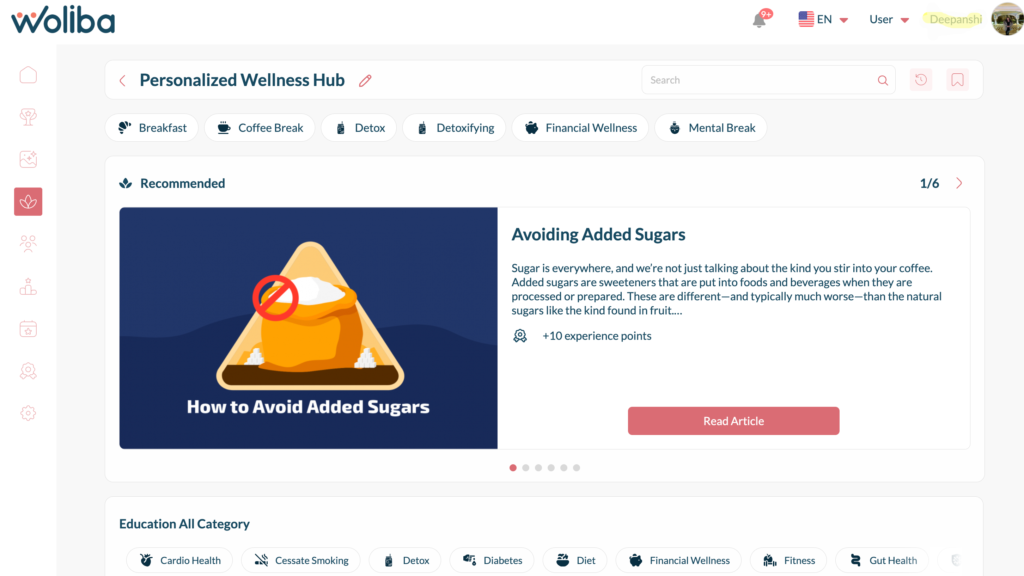
As one platform supporting many personalized journeys, Woliba enables HR teams to:
- Deliver a cohesive modern employee experience
- Simplify access to engagement, wellbeing, and recognition
- Personalize support without operational complexity
- Build trust through consistency and clarity
Rather than forcing employees to navigate fragmented tools, Woliba helps organizations meet employees where they are—across every stage of the employee journey.
If your HR strategy feels strong but employee experience still feels disconnected, the issue may not be effort. It may be the tools behind it.
Visit woliba.io or book a demo to see how one platform can support many employee journeys—without sacrificing simplicity or trust.