





When More Data Creates Less Clarity
HR data insights should help teams make better decisions, yet for many organizations, HR data insights feel harder to access than ever before. Instead of clarity, HR teams face dashboards, spreadsheets, and reports that grow more complex with every new tool.
As organizations invest in engagement platforms, wellness solutions, recognition tools, and survey software, the volume of HR data expands rapidly. However, while data availability increases, meaningful HR data insights often remain frustratingly out of reach.
HR leaders review report after report, yet still struggle to answer basic questions about risk, engagement, and workforce health. Despite having access to more information than ever, HR data insights remain fragmented, delayed, and difficult to act on.
This disconnect explains why HR teams feel overwhelmed rather than empowered. When data multiplies without context, insight disappears.
The Reporting Burden HR Teams Carry
HR teams do not suffer from a lack of effort. Instead, they carry the weight of constant reporting demands.
Executives ask for updates. Leaders request breakdowns. Finance wants numbers translated into impact. Meanwhile, HR teams pull data from multiple systems, reconcile inconsistencies, and create presentations that explain what already happened.
Over time, reporting becomes reactive. Teams spend more energy preparing data than interpreting it, which leaves little room for strategic thinking.
As a result, HR becomes a reporting function rather than an insight engine.
Why Data Alone Doesn’t Drive Better Decisions
Data is only useful when it leads to understanding. Unfortunately, many HR systems stop at measurement.
They report:
- Participation rates
- Engagement scores
- Program usage
- Survey averages
While these metrics describe activity, they rarely explain meaning. Leaders see numbers, yet they struggle to understand what to do next.
Insight requires interpretation. Without it, data becomes noise.
The Difference Between Information and Insight
Information answers what happened. Insight explains why it matters.
HR teams often receive plenty of information, but insight requires:
- Context across systems
- Trends over time
- Clear prioritization
- Translation into risk and opportunity
Without these elements, even accurate data fails to influence decisions.
This gap explains why HR teams feel busy but ineffective.
How Fragmentation Fuels Confusion
Most HR data lives in silos.
Engagement surveys sit in one platform.
Wellbeing metrics live in another.
Recognition data exists elsewhere.
Turnover reports arrive separately.
Each system offers its own dashboard, definitions, and timelines. Consequently, HR teams must stitch together insights manually, often under time pressure.
Fragmentation slows decision-making and increases the risk of misinterpretation.
When Reports Multiply, Insight Shrinks
More reports do not guarantee more understanding.
In fact, excessive reporting often creates paralysis. Leaders receive too many charts without clear conclusions, which makes prioritization harder instead of easier.
As reporting volume grows, attention shrinks.
This dynamic leaves HR teams drowning in outputs while starving for insight.
Why Executives Want Fewer Numbers—and Better Answers
Executives rarely ask HR for more data. Instead, they want clearer guidance.
They want to know:
- Where risk is increasing
- Which teams need support
- What trends require action
- How people strategy affects business outcomes
Raw data cannot answer these questions alone. Insight must do the translation.
The Shift From Reporting to Sensemaking
High-performing HR teams shift their focus from reporting to sensemaking.
Rather than asking:
- What does the data say?
They ask:
- What does the data mean?
- What is changing?
- Where should leaders pay attention?
This shift requires tools that surface patterns, not just metrics.
Why Timing Matters as Much as Accuracy
Even accurate data loses value when it arrives too late.
Annual surveys, quarterly reports, and retrospective dashboards reflect the past. However, culture, engagement, and risk evolve continuously.
Without real-time visibility, HR teams remain reactive by default.
Insight must arrive while action is still possible.
Leading vs. Lagging HR Data
Lagging indicators show outcomes that already occurred.
Leading indicators reveal change as it happens.
Examples of lagging data include:
- Engagement survey scores
- Turnover rates
- Exit feedback
Leading indicators, by contrast, include:
- Recognition patterns
- Participation trends
- Stress signals
- Engagement behaviors
When HR teams rely only on lagging data, they explain problems instead of preventing them.
Why Actionable Analytics Matter
Actionable analytics connect data to decisions.
Rather than presenting numbers alone, actionable analytics:
- Highlight trends
- Flag risk
- Prioritize focus areas
- Recommend next steps
This approach reduces analysis paralysis and increases confidence.
The Cognitive Load Problem in HR
HR professionals manage enormous cognitive load.
They track compliance, support employees, advise leaders, manage vendors, and interpret data—all at once.
When analytics add complexity instead of reducing it, HR capacity suffers.
Simpler insight protects both accuracy and wellbeing.
Why Dashboards Should Reduce Work, Not Create It
Dashboards often promise clarity but deliver clutter.
- Highlight what changed
- Emphasize what matters
- Remove unnecessary detail
- Update automatically
When dashboards require constant explanation, they fail their purpose.
The Role of AI in Clarifying HR Data
AI changes how HR teams interact with data.
Instead of sorting through dozens of reports, AI can:
- Summarize trends
- Identify anomalies
- Surface key risks
- Translate patterns into language leaders understand
AI does not replace judgment. Instead, it amplifies it.
From Data Literacy to Data Leverage
Many organizations focus on improving data literacy. While useful, literacy alone doesn’t create insight.
Leverage comes from:
- Automated summaries
- Customizable views
- Role-based dashboards
- Clear storytelling
When HR teams leverage data effectively, they move faster and advise more confidently.
Customization Creates Relevance
Not every leader needs the same data.
A VP of People may focus on risk trends.
A manager may need team-level signals.
Executives may want high-level indicators.
Customizable dashboards ensure relevance without overload.
Insight Builds Trust With Leadership
When HR brings clear insight instead of raw data, credibility increases.
Leaders trust guidance that:
- Connects people data to outcomes
- Identifies risk early
- Supports proactive decisions
Insight positions HR as a strategic advisor rather than a reporting function.
Why Insight Enables Preventative Action
Preventative care depends on early signals.
When HR teams can see rising stress, declining engagement, or uneven recognition patterns early, they can intervene before problems escalate.
Insight turns reaction into prevention.
The Future of HR Analytics
The future of HR analytics is not more data. It is better understanding.
HR teams that succeed will:
- Reduce reporting burden
- Focus on trends, not snapshots
- Translate data into action
- Use technology to simplify complexity
Insight will matter more than volume.
Where Woliba Fits In
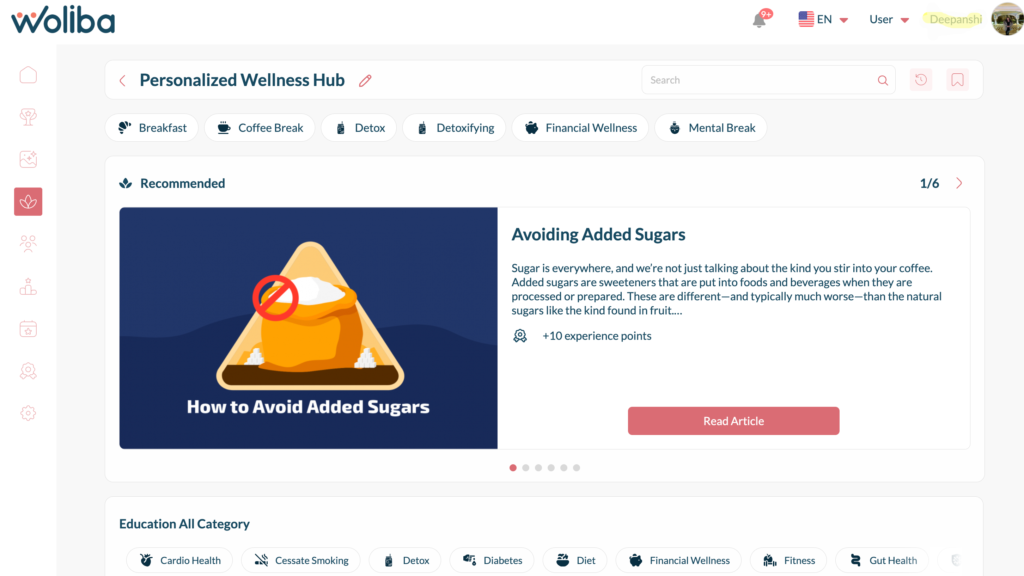
This is where Woliba helps HR teams move from data overload to clarity.
Through AI-powered summaries and customizable dashboards, Woliba enables HR leaders to:
- Surface meaningful HR data insights in real time
- Reduce manual reporting
- Identify risk and opportunity faster
- Support confident, preventative decision-making
Rather than drowning in disconnected reports, HR teams gain a clear view of what matters most—and what to do next.
If your team has more data than direction, the problem isn’t access. It’s insight.
Visit woliba.io or book a demo to see how actionable analytics can help HR teams move from information to impact.