





Startup Happiness: The Competitive Advantage Founders Ignore
Every founder measures growth, burn rate, and runway — but almost no one measures startup happiness. Yet the data is clear: happy teams build better products, stay longer, and perform at higher levels.
In today’s environment of constant pivots and pressure, startup happiness is more than a feel-good concept — it’s a core performance metric. Founders who intentionally track and invest in startup happiness see real returns: higher engagement, lower turnover, and stronger investor confidence.
The truth is simple: when startup happiness rises, so does productivity, creativity, and profitability. When it falls, everything else eventually follows. It’s the invisible variable shaping your startup’s trajectory — and the one few leaders actively manage.
Why Startup Happiness Matters More Than You Think
Startups live and die by energy. You don’t have layers of management, redundant roles, or vast budgets. What you do have is people — driven, creative, adaptable people who pour themselves into the mission.
But that energy is finite. Without focus on happiness, even passionate teams burn out fast.
Here’s why startup happiness directly impacts your bottom line:
1. Happy Teams Perform Better
According to Oxford University’s Saïd Business School, happy employees are 13% more productive. In a startup, that productivity compounds — it’s the difference between hitting a milestone and missing it.
2. Happiness Fuels Retention
Gallup reports that engaged employees are 87% less likely to leave. Happy employees don’t just stay — they advocate for the company, helping attract top talent.
3. Happiness Drives Innovation
Creativity thrives in psychological safety. Teams that feel supported and valued take smarter risks — the foundation of startup innovation.
4. Happiness Reduces Stress
Workhuman and Gallup’s 2023 research found that recognition and positive culture lower burnout by 56%. Happiness isn’t the absence of stress — it’s the presence of balance.
In short, happy startups grow faster and last longer.
The Science Behind Startup Happiness
Happiness at work isn’t a mystery — it’s a measurable state influenced by autonomy, purpose, and belonging.
When these three factors align, dopamine and oxytocin — the brain’s “motivation and connection” chemicals — increase, improving focus, trust, and collaboration. When they’re missing, cortisol (stress hormone) dominates, leading to disengagement and turnover.
The Three Core Drivers of Happiness at Work:
- Autonomy: Feeling trusted and empowered to make decisions.
- Purpose: Knowing how your work contributes to something meaningful.
- Belonging: Feeling seen, valued, and supported by your team.
A strong culture that reinforces these pillars naturally boosts startup happiness — and by extension, performance.
The Cost of Ignoring Happiness
Founders sometimes dismiss happiness as “fluffy.” But ignoring it comes with hard costs:
- Rising turnover: Replacing one employee costs up to 2x their annual salary, according to the Society for Human Resource Management (SHRM).
- Lost productivity: Disengaged employees cost the global economy $8.8 trillion annually (Gallup, 2023).
- Weakened culture: Negativity spreads quickly, eroding morale and collaboration.
- Investor skepticism: High turnover and low morale raise red flags during due diligence.
Startups that don’t prioritize happiness end up paying for it — in churn, inefficiency, and missed opportunities.
How Founders Can Measure Startup Happiness
You can’t manage what you don’t measure. Tracking startup happiness doesn’t require complex tools — just intentionality and consistency.
Here’s how to start:
1. Run Pulse Surveys
Short, frequent surveys help gauge morale in real time. Ask:
- “How happy are you at work this week?”
- “Do you feel supported by your manager?”
- “What’s one thing that would make your workday better?”
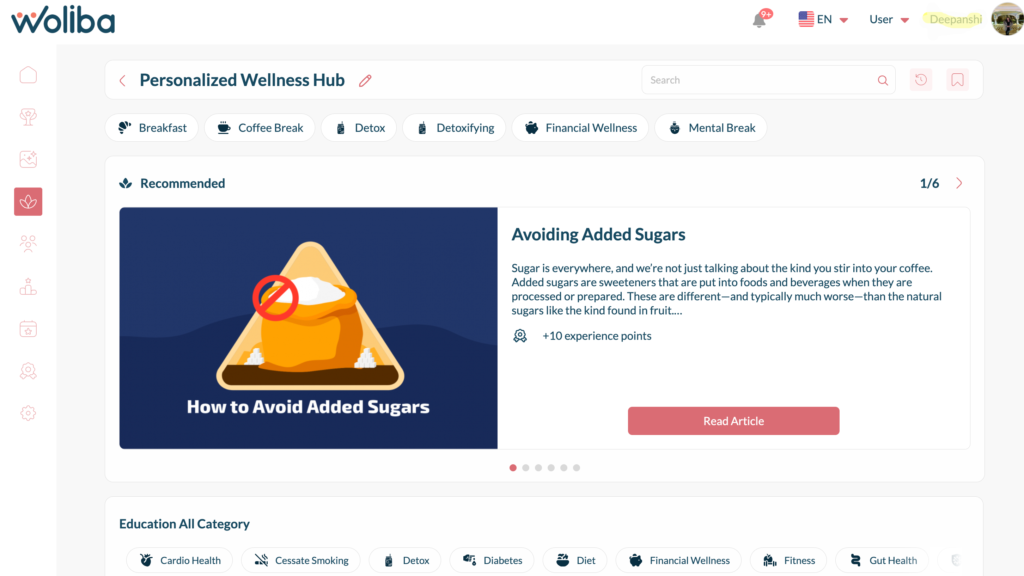
Tools like Woliba make these easy to automate and analyze.
2. Track Engagement Metrics
Engagement data — participation in meetings, feedback sessions, recognition programs — reveals emotional investment. When engagement dips, happiness often does too.
3. Monitor Retention and Recognition
Retention rates and recognition frequency are strong indirect indicators of happiness. Teams that feel valued tend to stay longer and contribute more.
4. Listen Beyond Data
Quantitative surveys matter, but qualitative check-ins matter more. One genuine conversation can uncover issues metrics can’t.
The goal isn’t just to measure — it’s to understand and act.
How to Build a Culture of Startup Happiness
You can’t mandate happiness, but you can create the conditions where it thrives.
Here’s a framework founders can use to build it systematically:
1. Make Psychological Safety Non-Negotiable
When people feel safe to share ideas, ask questions, or admit mistakes, they stay engaged.
Leaders can foster psychological safety by:
- Admitting their own mistakes publicly.
- Rewarding learning over perfection.
- Creating forums for open discussion.
When employees trust that speaking up won’t backfire, collaboration skyrockets — and so does happiness.
2. Prioritize Recognition Over Perks
Startups often chase perks — free snacks, cool offices, flexible hours — but recognition drives real happiness.
According to Workhuman-Gallup, employees who feel regularly appreciated are 5x more likely to be engaged. Recognition affirms value; perks distract from purpose.
Make it a daily habit to:
- Thank people publicly for specific contributions.
- Encourage peer-to-peer recognition.
- Tie recognition back to company values.
When appreciation becomes part of the rhythm, happiness becomes part of the culture.
3. Design Work for Flow, Not Exhaustion
Happiness isn’t just about morale — it’s about momentum. Teams that operate in flow states (deep focus with autonomy) are more fulfilled and productive.
Founders can create flow by:
- Eliminating unnecessary meetings.
- Clarifying goals so people know what “winning” looks like.
- Giving employees space to solve problems their way.
Flow fuels energy — and energy fuels happiness.
4. Connect Every Role to Purpose
When employees understand the “why” behind their work, motivation and happiness rise.
Make the mission tangible. Share customer stories, impact metrics, and success outcomes regularly. Show how every engineer, marketer, or account manager contributes to something bigger than themselves.
Purpose gives work meaning, and meaning sustains happiness even through hard times.
5. Support Whole-Person Wellness
Happiness isn’t separate from health — it’s part of it. Physical and emotional wellbeing directly affect energy, focus, and mood.
Integrate wellness into your company’s DNA:
- Offer mindfulness or fitness challenges.
- Encourage regular breaks and time off.
- Provide mental health resources and flexibility.
Startups that invest in wellbeing see up to 6:1 ROI in productivity and retention (Harvard Business Review). Happiness follows when people feel cared for, not just managed.
The Founder’s Role in Startup Happiness
Founders are the emotional thermostat of their startup. Your tone, communication, and energy shape how others feel.
When you model gratitude, transparency, and balance, it signals that happiness matters — and that it’s safe to prioritize.
Try these habits:
- Start meetings with shoutouts, not stress.
- Take visible breaks to model balance.
- Be open about challenges and wins.
Your behavior teaches your team how to respond to chaos, setbacks, and success. Lead with positivity, and happiness will spread naturally.
Happiness as a Strategic Metric
The most successful founders treat happiness as data — not luck.
When you measure and improve happiness intentionally, you’ll see tangible business impact:
- Faster execution
- Stronger retention
- Higher customer satisfaction
- Lower burnout
Investors and acquirers increasingly view culture metrics — engagement, retention, wellbeing — as predictors of long-term performance. Happiness isn’t just morale; it’s market value.
How Woliba Helps Founders Measure and Improve Startup Happiness
Woliba gives founders the tools to turn happiness from an idea into a measurable, scalable advantage.
With Woliba, you can:
- Run pulse surveys to track real-time team happiness and engagement.
- Launch wellness challenges that improve energy and connection.
- Automate recognition programs to celebrate wins consistently.
- Access analytics that show how happiness impacts retention and performance.
Woliba helps founders make happiness a business metric — one that drives growth, loyalty, and sustainability.
Because when your people are happy, your startup wins. Learn more at woliba.io