





The Hidden Crisis: Why MSK Pain Is Draining Employer Budgets
Musculoskeletal (MSK) pain has quietly become one of the most expensive and pervasive health challenges facing employer groups today — even more financially disruptive than many chronic conditions commonly emphasized in benefits discussions. While national attention often centers on GLP-1 costs, diabetes trends, or rising mental health claims, MSK pain consistently ranks as the #1 or #2 cost driver for most self-funded employers, according to multiple employer health analyses (Integrated Benefits Institute, 2023). This is why MSK claims reduction for TPAs has become an urgent priority. For many organizations, MSK costs now exceed those associated with diabetes, hypertension, or heart disease.
Despite its massive impact, MSK pain remains one of the most overlooked opportunities for TPAs to deliver measurable savings. Shifting from reactive MSK treatment to proactive prevention is where TPAs can provide meaningful value — and significantly reduce avoidable costs.
Why MSK Pain Is a Preventable Cost Driver
The data is staggering:
- MSK disorders cost U.S. employers an estimated $380 billion annually in medical expenses, lost productivity, and disability — making them one of the highest-cost categories in workforce health (Integrated Benefits Institute).
- Nearly 1 in 2 U.S. adults experiences MSK pain each year, making it one of the most common health burdens affecting employees (National Institutes of Health).
- United Healthcare reports that MSK disorders affect nearly 40% of U.S. adults and are “a top contributor to employer health-care costs.”
- One-third of all disability claims are tied to MSK disorders, making them a major driver of both short- and long-term disability (U.S. Bureau of Labor Statistics).
- Up to 80% of U.S. workers fail to meet recommended physical activity guidelines, increasing MSK strain, stiffness, and chronic pain risks (CDC Physical Activity Guidelines Report).
But the most important insight is this:
Most MSK-related costs are preventable.
This is where MSK claims reduction for TPAs becomes a powerful competitive differentiator. Early detection, movement-based programming, ergonomics support, and targeted wellness interventions can significantly reduce MSK risk before it escalates into expensive imaging, procedures, physical therapy cycles, or disability claims.
Employers are frustrated by runaway MSK costs. They want solutions that prevent pain before it becomes chronic, avoid unnecessary MRIs and surgeries, reduce productivity losses, and help employees feel better every day. TPAs that lean into MSK claims reduction for TPAs through prevention and early intervention will stand out in a crowded market — and deliver the outcomes employers increasingly demand.
Why MSK Pain Has Become Such an Expensive Problem for Employers
Understanding why MSK pain is so costly helps explain why TPAs must take a more active role in prevention. Several factors make MSK conditions uniquely expensive and difficult to manage.
1. MSK Pain Is Chronic for Many Employees
MSK pain often begins as a minor issue — stiffness, soreness, poor posture — and gradually becomes chronic without intervention.
Chronic MSK pain leads to:
- escalating physical therapy visits
- repeat imaging
- specialist referrals
- ergonomic accommodations
- long-term disability claims
Left untreated, recurring MSK issues become some of the most expensive ongoing claims categories.
2. MSK Pain Drives Unnecessary High-Cost Procedures
A major cost driver in MSK care is unnecessary imaging and surgeries. Many employees with back or joint pain quickly pursue:
- MRIs
- CT scans
- cortisone injections
- exploratory surgeries
But research shows that most MSK pain improves with movement, strengthening, ergonomics, and physical activity — not surgery.
When early intervention isn’t available, claims escalate fast.
3. Sedentary Work Is Making It Worse
Most mid-size and enterprise employers have a predominantly sedentary workforce. Sitting for 8+ hours a day increases:
- low back pain
- neck and shoulder strain
- poor posture
- weakened core and glutes
- reduced flexibility
- decreased mobility
Sedentariness is one of the biggest silent contributors to MSK pain.
4. MSK Pain Reduces Productivity Significantly
People with MSK pain experience:
- more absenteeism
- more presenteeism
- reduced focus
- lower morale
- decreased physical capability
According to the Integrated Benefits Institute, MSK pain leads to over 360 million lost workdays annually.
5. MSK Pain Overlaps With Mental Health
Stress, burnout, depression, and anxiety all increase muscle tension and amplify pain.
This creates a dual-claim risk — MSK treatment plus mental health treatment — both of which drive costs.
Why Most TPAs Overlook MSK Pain (And Why That Must Change)
Despite being such a large cost category, MSK pain often receives less strategic attention than chronic disease or mental health.
Why?
1. Claims Data Arrives Too Late
By the time MSK issues appear in claims, the problem is already expensive.
TPAs need real-time behavioral and movement data to detect risk earlier.
2. MSK Pain Is Considered “Inevitable”
Many employers assume MSK pain is simply part of the modern work environment.
This is not true. MSK pain is often preventable.
3. Traditional Wellness Programs Ignore MSK
Standard wellness programs focus on steps, weight, or nutrition — overlooking the mobility, ergonomics, strength, and flexibility needs that prevent MSK pain.
4. MSK Solutions Are Fragmented
Some employers use:
- EAPs for stress
- PT networks
- third-party ergonomics checks
- virtual MSK vendors
But with no unified system, the experience is inconsistent and engagement is low.
This is where TPAs can lead.
How TPAs Can Reduce MSK-Related Claims Through Prevention
TPAs can dramatically lower MSK costs by integrating prevention into their value-added services. Here are the core strategies that work.
1. Use Real-Time Data to Identify Early MSK Risk
Early intervention is the key to reducing MSK claims.
Real-time wellness data reveals early signals of MSK strain:
- decreased movement
- sedentary patterns
- posture-related fatigue
- sleep disruptions
- stress tension
- low resilience scores
These indicators help TPAs catch MSK problems before they become high-cost claims.
2. Promote Movement as Medicine
Movement — not rest — is the most effective long-term treatment for MSK pain.
TPAs can help employers implement:
- walking programs
- mobility routines
- stretching challenges
- desk-to-movement nudges
- daily micro-break routines
- strength-building challenges
Regular movement reduces MSK pain by improving:
- posture
- joint mobility
- muscle endurance
- core strength
- flexibility
A workforce that moves more hurts less.
3. Provide Ergonomics Education and Behavior Change
Ergonomics is often overlooked — but it’s essential.
TPAs can support employers with:
- ergonomics micro-learning
- workstation setup guides
- posture training
- video-based tutorials
- ergonomic checklists
- daily “reset posture” reminders
Small adjustments prevent major claims.
4. Offer Personalized MSK Wellness Journeys
Effective MSK prevention is not one-size-fits-all.
TPAs can offer wellness journeys tailored to:
- posture corrections
- movement frequency
- stress relief
- flexibility needs
- job roles (desk vs. physical work)
- burnout risk
Personalization increases engagement and accelerates results.
5. Integrate Mental Health Support
Stress and pain are deeply connected.
Employees experiencing burnout often report:
- neck tension
- jaw clenching
- headaches
- upper back pain
- sleep issues
A modern MSK strategy must include:
- stress reduction
- resilience programs
- mindfulness sessions
- mental health resources
Whole-person care prevents MSK claims.
6. Add MSK-Specific Challenges and Incentives
Challenges increase participation dramatically.
Examples include:
- daily stretch challenges
- posture-improvement streaks
- “Move Every Hour” events
- flexibility goals
- ergonomic workspace contests
These create excitement, accountability, and consistent behavior change.
7. Improve Access to Early Intervention Tools
TPAs can help employers implement:
- virtual MSK assessments
- mobility video libraries
- guided stretching sessions
- strength and posture programs
- early PT triage recommendations
Earlier support leads to less escalation.
Why MSK Prevention Works: The Financial Impact for Employers
Preventing MSK claims creates measurable savings across the board.
1. Fewer Imaging and Diagnostic Tests
MRIs and CT scans are some of the most expensive MSK-related claims. Prevention reduces the need for them.
2. Lower Physical Therapy Costs
Early intervention means shorter treatment durations and fewer repeat visits.
3. Reduced Surgical Procedures
Many MSK surgeries can be avoided with mobility, strengthening, and ergonomics.
4. Lower Disability and Workers’ Comp Costs
MSK pain is the leading cause of:
- short-term disability
- long-term disability
- workers’ compensation claims
Prevention reduces injury risk and recurrence.
5. Higher Productivity and Engagement
Employees with less pain:
- work more consistently
- take fewer sick days
- have higher morale
- perform better
This creates additional ROI beyond claims savings.
Why TPAs Should Lead the MSK Prevention Strategy
Employers are overwhelmed by point solutions and fragmented care. They want a single partner who can deliver consistent, comprehensive MSK support.
TPAs are perfectly positioned to lead because:
- they have visibility into claims trends
- they can identify top cost drivers
- they influence benefits strategy
- they provide population health reporting
- they can unify wellness into a single ecosystem
MSK prevention strengthens retention, competitiveness, and employer satisfaction.
How Woliba Helps TPAs Reduce MSK Pain and Claims
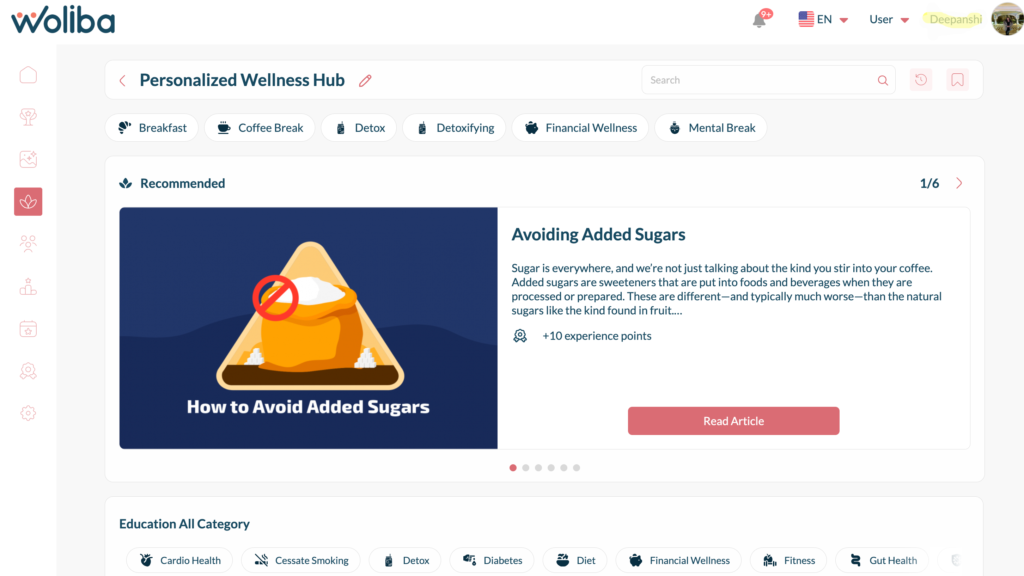
Woliba gives TPAs a powerful platform to deliver MSK prevention at scale through:
Real-Time Behavioral Data
Identifying early risk through movement and engagement patterns.
Personalized MSK Wellness Journeys
Mobility, stretching, ergonomics, strength, sleep, nutrition, and stress pathways.
Challenges and Gamification
Daily movement challenges, posture contests, and micro-break streaks.
Whole-Person Wellbeing Tools
Stress management, sleep support, nutrition, resilience, and mental health.
Unified Reporting and ROI Tracking
Showing employers exactly how MSK risk, movement, and claims are improving over time.
Woliba consolidates MSK prevention, wellness engagement, and behavior change into a single platform — making it easy for TPAs to deliver measurable results.
The Future of MSK Cost Management Is Prevention, Not Treatment
MSK pain will remain a top cost driver for employers unless TPAs adopt a prevention-first approach. The good news is that MSK conditions are highly preventable — and often reversible — with the right strategy.
TPAs who lead with prevention will:
- reduce MSK-related claims
- improve employee mobility and comfort
- lower imaging and surgical utilization
- increase productivity
- strengthen employer relationships
- stand out in competitive RFPs
The TPAs who ignore MSK prevention will continue fighting escalating claims.
The TPAs who embrace it will change the cost curve — and redefine their value in the market.
MSK prevention isn’t optional.
It’s one of the highest-impact opportunities TPAs have to improve outcomes, reduce costs, and build healthier, more resilient workplaces.