





Why Recognition Still Gets Treated as Optional
In many organizations, recognition sits on the edge of the employee experience rather than at its center. Despite strong intentions, recognition often gets framed as an extra—something nice to offer once the “real work” is done.
As a result, recognition appears during anniversaries, annual awards, or short-term campaigns, only to fade back into the background once priorities shift. Meanwhile, leaders continue to wonder why engagement dips, motivation declines, or retention becomes more difficult over time.
The disconnect is subtle but persistent. Organizations invest heavily in culture, yet they underutilize one of the most powerful tools for shaping it.
Recognition is not a perk. Instead, recognition acts as a multiplier.
How Recognition Shapes Culture Every Day
Culture forms through repeated signals, not occasional statements. Over time, employees learn what matters by observing what gets attention, reinforcement, and follow-through.
Those signals show up in the behaviors leaders notice, the actions teams reward, and the efforts that receive acknowledgment. Because recognition touches all of these moments, it plays a central role in translating intention into experience.
Without consistent recognition, values remain abstract. With it, values become visible in everyday work.
Why Belonging Starts With Being Seen
Belonging does not come from slogans, perks, or office design. Instead, belonging grows when employees feel seen for their contributions and effort.
Recognition sends a clear message: your work matters, your presence counts, and your effort contributes to something meaningful. Over time, those messages shape whether people feel connected or detached from their organization.
When recognition is missing, even high performers can begin to feel invisible. Eventually, that invisibility erodes trust, motivation, and commitment.
The Quiet Cost of Inconsistent Recognition
Many organizations assume recognition is covered simply because a program exists. However, the presence of a tool does not guarantee a consistent experience.
When recognition depends entirely on individual managers, varies widely across teams, or focuses only on large wins, culture becomes uneven. Consequently, some employees feel valued while others feel overlooked—even when performance levels are similar.
That imbalance quietly undermines fairness and trust. Over time, these gaps weaken culture far more than leaders expect.
Why Recognition Works Best as a Daily Lever
Recognition has the strongest impact when it happens close to the behavior it reinforces. Instead of living in quarterly cycles or annual events, recognition works best when it shows up regularly in everyday moments.
Daily recognition helps shape habits, reinforce expectations, and normalize desired behaviors across teams. Because of this consistency, recognition feels authentic rather than performative.
When recognition becomes part of daily work, culture stops depending on memory or motivation alone.
Motivation Needs Reinforcement to Last
Motivation does not sustain itself indefinitely. Instead, motivation responds to feedback loops.
When effort leads to recognition, motivation grows. In contrast, when effort goes unnoticed, motivation gradually declines—even among highly engaged employees.
Recognition closes the loop between effort and meaning. By reinforcing why work matters, recognition helps employees stay connected to their role and the organization.
How Recognition Influences Retention
Retention conversations often focus on compensation, growth, or workload. While those factors matter, recognition frequently plays a quieter but equally important role.
Employees rarely leave only because of pay. More often, they disengage because they feel undervalued or unseen.
Recognition directly addresses that experience. By reinforcing appreciation and purpose, recognition strengthens the emotional connection that keeps people invested during change or challenge.
Why Recognition Alone Isn’t Enough
Although recognition is powerful, it cannot operate effectively in isolation. Without alignment, recognition can unintentionally reinforce the wrong behaviors.
For example, recognizing output without acknowledging sustainability can normalize burnout. Similarly, rewarding speed without collaboration can undermine teamwork.
To avoid these outcomes, recognition must align with wellbeing and values, not just results.
The Link Between Recognition and Wellbeing
Wellbeing often depends on invisible effort. Employees manage stress, support teammates, and make sustainable choices every day, even when those behaviors go unnoticed.
When recognition highlights only deliverables, wellbeing fades into the background. In contrast, when recognition acknowledges healthy behaviors, organizations send a clear signal that sustainability matters.
Through recognition, wellbeing becomes visible rather than assumed.
Why Values Need Reinforcement to Matter
Most organizations articulate strong values. However, values alone do not shape behavior.
Recognition brings values to life by showing how principles translate into action. When employees see values consistently reinforced, they understand how to apply them in real situations.
Without recognition, values remain aspirational. With it, values become operational.
Where Recognition Programs Often Miss the Mark
Many recognition programs fall short due to design, not intent. Common pitfalls include infrequent recognition, lack of context, or overreliance on points and rewards.
When recognition feels delayed or transactional, its impact fades quickly. Effective recognition, by contrast, is timely, specific, and connected to behavior.
Recognition works best as feedback, not as a prize.
Recognition as a Continuous Feedback System
At its best, recognition functions as an ongoing feedback system. Through recognition, employees learn what success looks like and which behaviors to repeat.
This feedback loop supports alignment and learning without requiring constant correction or formal reviews. As a result, teams adjust behavior before problems escalate.
Why Technology Matters for Consistency
As organizations grow, informal recognition becomes harder to sustain. Distributed teams, busy managers, and asynchronous work increase the risk of inconsistency.
Technology supports recognition by making it visible, accessible, and repeatable. Rather than replacing authenticity, systems help scale it.
Through the right tools, recognition becomes easier to practice consistently.
Recognition Data Reveals Culture Patterns
Recognition patterns tell a story. Over time, they reveal which behaviors get reinforced, where gaps exist, and how values show up in practice.
By examining recognition data, leaders can identify cultural strengths and blind spots early. That insight enables proactive adjustment rather than reactive correction.
Why Leaders Need Structural Support
Most leaders want to recognize their teams more often. However, competing priorities and limited bandwidth make consistency difficult.
Systems reduce reliance on memory by prompting recognition at the right moments. In doing so, systems make the right behavior easier than forgetting.
Recognition Works Best as Part of a System
Recognition delivers the greatest impact when it connects to engagement, wellbeing, and values. When these elements reinforce one another, culture becomes coherent rather than fragmented.
This integration turns recognition into a multiplier instead of a standalone effort.
From Perk to Infrastructure
Treating recognition as a perk limits its reach. Treating recognition as infrastructure changes how culture operates.
As infrastructure, recognition runs continuously, reinforces strategy, and supports sustainable performance. Because of that shift, recognition becomes part of how work gets done.
The Strategic Opportunity Ahead
Organizations that elevate recognition experience stronger belonging, higher motivation, and improved retention. Over time, recognition stops being a feel-good extra and becomes a strategic advantage.
Where Woliba Fits In
This is where Woliba supports recognition as part of a connected culture system.
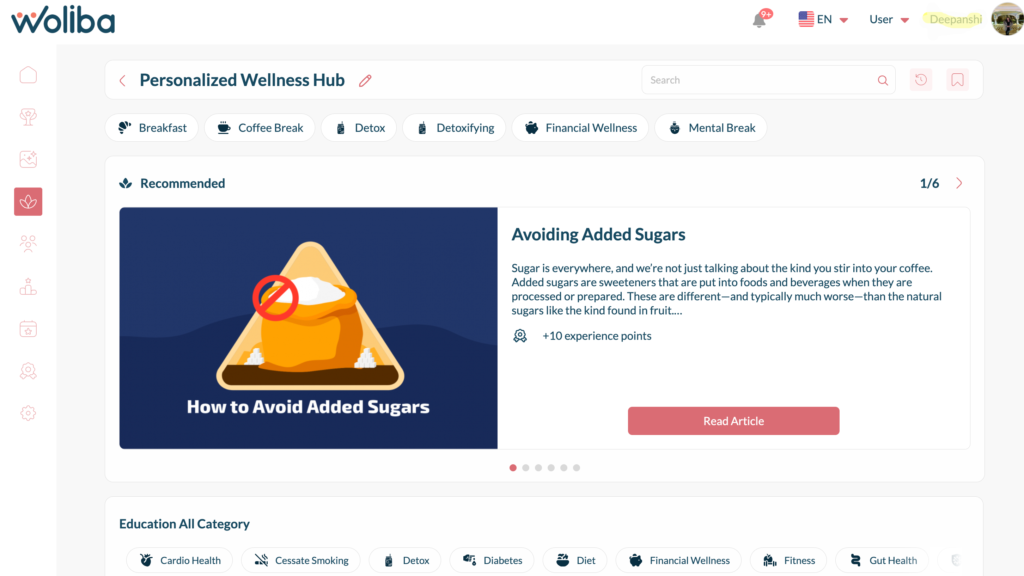
Through integrated recognition tied to values and wellbeing, Woliba helps organizations reinforce sustainable behaviors, strengthen belonging, and gain visibility into recognition patterns. By connecting recognition with engagement and wellness, Woliba enables recognition to operate as a true culture multiplier.
If recognition exists in your organization but isn’t shaping culture consistently, the challenge may not be effort—it may be integration.
Visit woliba.io or book a demo to see how connected recognition, wellbeing, and values can work together to multiply culture impact.