





The TPA Retention Challenge: Employers Expect More Than Claims Processing
As employers confront rising healthcare costs, rapidly evolving workforce expectations, and intensifying demands to support whole-person wellbeing, the role of TPAs is undergoing a profound and consequential transformation. Although claims accuracy and administrative efficiency remain important, they are no longer sufficient to secure long-term employer loyalty. Instead, organizations increasingly evaluate TPAs on their ability to deliver strategic value — which is now central to effective TPA employer retention strategies.
Consequently, wellbeing solutions have emerged as one of the most powerful levers within modern TPA employer retention strategies. Employers no longer perceive wellness programs as optional perks; rather, they view them as essential tools that influence cost control, employee satisfaction, and overall organizational resilience. This shift underscores why prevention-first and personalized wellbeing experiences now sit at the heart of leading TPA employer retention strategies, shaping how employers assess and renew their TPA partnerships.
Therefore, TPAs capable of offering innovative, engaging, and data-driven wellbeing solutions significantly strengthen their competitive edge. Conversely, those who fail to integrate wellbeing into their TPA employer retention strategies risk losing clients to competitors who can deliver a more comprehensive and proactive approach.
Why Employer Retention Is Becoming Harder for TPAs
Before exploring how wellbeing solutions strengthen retention, it is crucial to examine the underlying factors that have made employer loyalty increasingly difficult to maintain.
1. Employers Are Under Intensifying Financial Pressure
The explosion of GLP-1 drug costs, rising MSK claims, escalating diabetes prevalence, and growing mental health needs have created unprecedented financial strain. As a result:
- CFOs scrutinize benefits spend more aggressively
- Brokers challenge the status quo
- HR leaders demand more proactive support
- Employers expect clear justification for every vendor relationship
Thus, TPAs that cannot articulate a modern, prevention-driven strategy risk near-term replacement.
2. Claims-Only Models Cannot Meet Modern Expectations
Traditionally, TPAs relied on retrospective claims data to guide employers. However, today’s employers demand forward-looking visibility, not backward-facing analysis. Without real-time insights into rising-risk behavior, early indicators of burnout, or engagement trends, TPAs appear reactive rather than strategic — a distinction that directly threatens employer retention.
3. Integrated Competitors Are Increasingly Attractive to Employers
New consolidated ecosystems — including Personify Health, Accolade, and similar platforms — combine:
- analytics
- coaching
- wellness
- navigation
- prevention
Because these ecosystems promise streamlined experiences and unified reporting, TPAs must differentiate themselves more effectively. Notably, wellbeing may be the strongest differentiator available.
4. Employee Experience Has Become a Core Business Priority
As organizations struggle with turnover, burnout, disengagement, and cultural fragmentation, they increasingly expect TPAs to help address these issues through wellbeing initiatives. When employee experience declines, employers often attribute at least part of the problem to their benefits ecosystem — including the TPA.
Thus, offering stronger wellbeing support is now essential to protecting client satisfaction and loyalty.
How Wellbeing Solutions Directly Improve Employer Retention
When TPAs offer comprehensive, engaging, and data-driven wellbeing programs, they strengthen employer retention through multiple reinforcing pathways.
1. Wellbeing Solutions Demonstrate Proactive Value — Not Just Administrative Execution
One of the most common reasons employers switch TPAs is the perception that their current partner is reactive. However, wellbeing enables TPAs to showcase:
- proactive risk mitigation
- early identification of rising health issues
- personalized support for members
- targeted interventions that reduce future claims
- predictive, not just historical, insights
This shift from claims processing to strategic partnership dramatically improves retention.
2. Wellbeing Mitigates High-Cost Claims That Drive Employer Churn
Employers frequently replace TPAs when healthcare costs rise unpredictably. However, wellbeing programs address the root causes of these increases.
Diabetes Risk Reduction
Lifestyle-first wellbeing programs prevent prediabetes from progressing into Type 2 diabetes — one of the most expensive chronic conditions.
Obesity and GLP-1 Cost Control
Behavior-change programs reduce long-term obesity risk and provide non-pharmaceutical alternatives to GLP-1 usage.
MSK Pain Prevention
Movement, ergonomics, and early intervention significantly reduce MSK escalation — often the #1 or #2 employer cost category.
Mental Health Support
Stress and burnout programs prevent medical escalation, disability claims, and productivity loss.
When employers experience cost stabilization, they are far more likely to remain with their TPA.
3. Wellbeing Enhances the Employee Experience — a Key Retention Driver
Employers increasingly judge TPAs not only on cost but also on how effectively they support employee wellbeing. Modern wellbeing programs improve:
- morale and engagement
- resilience and coping skills
- healthy lifestyle participation
- team collaboration
- feelings of belonging and support
- readiness for behavior change
When employees feel healthier and more supported, employers attribute part of that success to the TPA — strengthening retention.
4. Wellbeing Provides Actionable, Real-Time Data Employers Truly Value
Claims data explains what already happened, while wellbeing data illuminates what is happening now.
Through wellbeing platforms, employers gain insights into:
- stress and burnout trends
- movement and sedentary behavior
- sleep and resilience patterns
- MSK early-warning indicators
- participation and engagement metrics
- metabolic readiness
- departmental wellbeing disparities
This empowers employers to take timely, evidence-based action — and it positions the TPA as an indispensable strategic advisor.
5. Wellbeing Creates Year-Round Engagement That Deepens Loyalty
Employer retention increases when the TPA remains visible and valuable throughout the year. Wellbeing supports:
- seasonal engagement campaigns
- monthly challenges
- habit-building initiatives
- community-based social features
- team recognition
- incentive pathways
This continuous engagement reinforces the employer’s perception of the TPA as a daily partner, not a once-a-year vendor.
6. Wellbeing Enables Better Health Outcomes — Which Strengthen Trust
TPAs that incorporate wellbeing can demonstrate quantifiable health improvements, such as:
- reduced MSK prevalence
- increased physical activity
- improved sleep patterns
- lower stress and burnout levels
- stabilized or reduced weight trends
- higher preventive care compliance
- fewer rising-risk members
When employers see tangible improvements, trust deepens — and retention follows.
7. Wellbeing Helps TPAs Win and Retain Business in Broker RFPs
Brokers increasingly ask questions like:
- “What is your prevention strategy?”
- “How do you identify rising risk?”
- “What data do employers receive throughout the year?”
- “How do you reduce chronic condition progression?”
TPAs with a robust wellbeing solution consistently outperform competitors in RFP evaluations, strengthening both acquisition and retention.
8. Wellbeing Reduces Employer Anxiety About Volatile Costs
Cost predictability is a major driver of employer satisfaction. Wellbeing reduces volatility by addressing the root causes of unpredictable spending:
- unplanned surgeries
- avoidable ER visits
- sudden GLP-1 utilization
- chronic disease progression
- mental health crises
When risks are more controlled, employers feel confident staying with their TPA.
9. Wellbeing Helps TPAs Support Overwhelmed HR Teams
HR teams are stretched thin and greatly appreciate TPA partners who reduce their administrative workload.
Wellbeing solutions allow TPAs to:
- deliver turnkey communication campaigns
- automate engagement
- provide easy-to-launch challenges
- simplify reporting
- offer manager-level insights
- reduce manual program coordination
When TPAs make HR’s job easier, they become invaluable — and far harder to replace.
10. Wellbeing Reinforces the Human Impact of the TPA Partnership
Ultimately, TPAs serve people — and wellbeing makes that impact visible.
Strong wellbeing programs enable TPAs to:
- humanize the benefits experience
- foster employee resilience
- create healthier workplace cultures
- support positive personal transformation
- enhance quality of life
When employers witness these improvements, loyalty deepens substantially.
Why Wellbeing Solutions Must Be Unified — Not Fragmented
Many employers currently manage an unwieldy and often inefficient patchwork of wellbeing vendors, spanning solutions for:
- MSK support
- mental health services
- nutrition programs
- fitness and activity tracking
- sleep improvement tools
- coaching and behavioral guidance
- resilience training
- chronic disease management
However, this fragmented ecosystem frequently results in a cascade of challenges, including:
- excessive and duplicative costs
- chronically low employee adoption
- inconsistent or confusing user experiences
- significant data silos and reporting gaps
- overall operational inefficiency
Consequently, TPAs that offer a single, consolidated wellbeing platform not only streamline the employer experience but also immediately differentiate themselves in the marketplace. Moreover, this unified approach dramatically strengthens employer retention by delivering clarity, simplicity, and measurable value.
How Woliba Helps TPAs Improve Employer Retention Through Modern Wellbeing
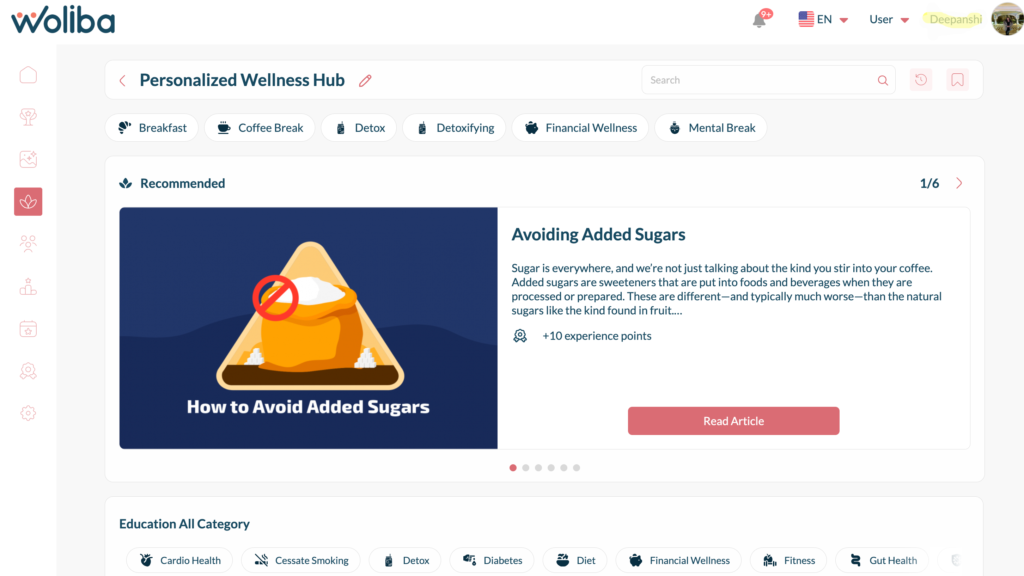
Woliba is specifically designed to help TPAs deliver the prevention-first, personalized, and unified wellbeing experience employers now demand.
With Woliba, TPAs can:
- provide a seamless, integrated wellbeing ecosystem
- deliver comprehensive MSK, metabolic, and mental health support
- offer lifestyle-first solutions that reduce GLP-1 reliance
- track real-time behavioral and population health insights
- personalize wellbeing journeys with AI-driven recommendations
- run challenges, recognition, and social participation programs
- strengthen employee engagement year-round
- identify rising-risk members before claims appear
- show measurable improvements tied to employer ROI
- simplify HR administration and communication
Through Woliba, TPAs transform wellbeing from a passive perk into a strategic retention engine.
The Bottom Line: Better Wellbeing = Better Employer Retention
Wellbeing has evolved from a supplemental benefit into a core strategic differentiator within the TPA marketplace. Increasingly, employers view wellbeing not as an optional enhancement but as a fundamental component of a high-performing benefits ecosystem. As a result, comprehensive wellbeing solutions have become one of the most powerful instruments TPAs can leverage to:
- reduce client churn
- stabilize and predict employer healthcare costs
- improve employee health outcomes across populations
- strengthen trust and long-term loyalty
- stand out in highly competitive RFP environments
- expand their strategic influence within client organizations
- cultivate durable, mutually beneficial partnerships
Ultimately, employers want TPAs who can help them foster healthier, more resilient populations — not simply adjudicate claims after issues arise. Robust wellbeing solutions enable TPAs to meet these elevated expectations and to secure sustained employer loyalty through prevention, personalization, and measurable outcomes.
In short, TPAs who embrace wellbeing will retain their employers. Conversely, those who fail to evolve will inevitably lose clients to competitors who understand and deliver the modern wellbeing experience employers now demand.