



Key Takeaways:
- Components of Employee Wellness Programs focus on taking care of employees in many ways, including physical health, mental health, finances, social connection, and work-life balance.
- Good wellness programs help everyone—employees stay healthier and happier, and companies see better productivity, motivation, and lower stress at work.
- Successful wellness programs are simple and employee-friendly, designed around what employees really need, not just what looks good on paper.
- Regular support and improvement are important, so the wellness program stays useful, easy to follow, and effective for all employees.
Long working hours, constant deadlines, and rising stress have made employee well-being a serious business priority. Studies show that burnout and stress directly affect productivity, absenteeism, and employee retention, pushing organizations to look beyond basic health benefits.
Employee wellness today is not limited to gym memberships or annual health check-ups. It focuses on supporting employees physically, mentally, financially, and socially at work and beyond. Understanding the Components of Employee Wellness Programs helps organizations design initiatives that truly improve employee health, engagement, and overall performance.
In this blog, we explore the key components that make employee health and wellness programs effective and sustainable.
What are Components of Employee Wellness Programs?
Components of Employee Wellness Programs refer to the main building blocks or parts that make up a complete workplace wellness initiative. In simple terms, they explain what areas of an employee’s life a wellness program focuses on to keep employees healthy, motivated, and productive.
10 Component of Employee Wellness Programs – A Quick Look
- Physical Wellness
- Mental and Emotional Wellness
- Financial Wellness
- Social Wellness
- Occupational Wellness and Work-Life Balance
- Environmental Wellness
- Career Growth and Learning
- Employee Engagement and Recognition
- Wellness Awareness and Education
- Community and Purpose-Driven Initiatives
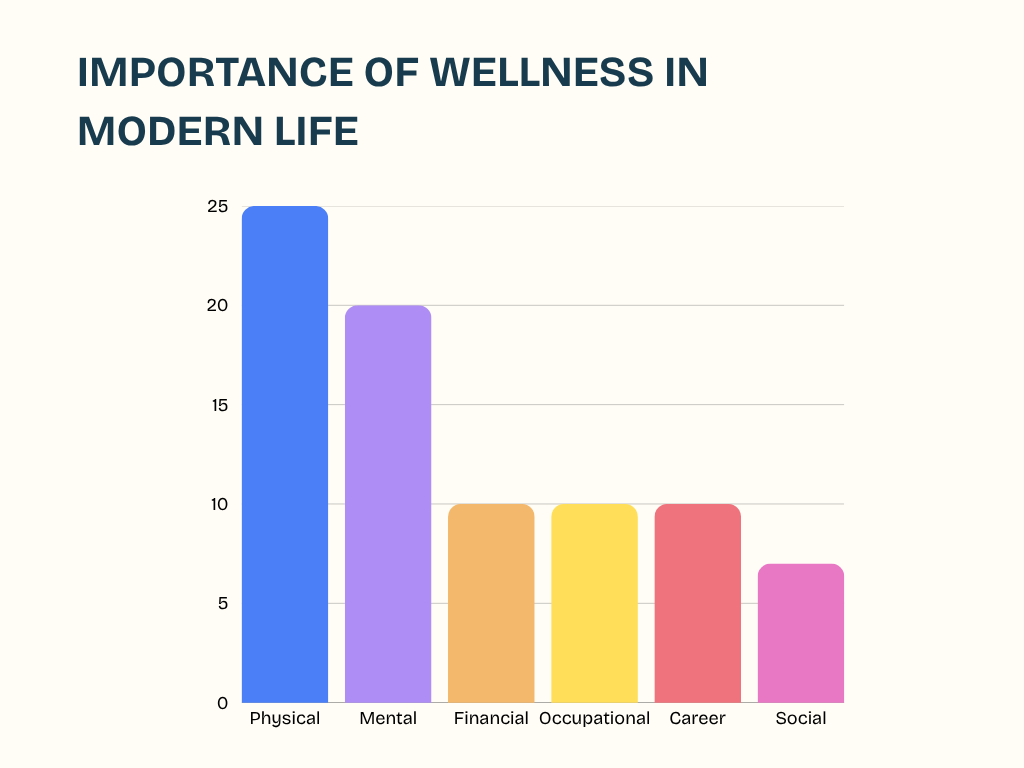
Breaking Down the Components of Employee Wellness Programs That Actually Work
Physical Wellness
Physical wellness focuses on helping employees maintain good health, prevent illness, and reduce physical strain that can affect energy, focus, and long-term performance. When physical health is ignored, organizations often see higher absenteeism, frequent sick leaves, and reduced productivity.
According to the Centers for Disease Control and Prevention, well-designed workplace wellness programs can reduce absenteeism by up to 27%. Employees who have access to preventive care and physical activity opportunities are also more likely to report higher energy levels throughout the workday.
What this includes
- Fitness programs, gym access, or wellness reimbursements
- Preventive health check-ups and screenings
- Ergonomic chairs, desks, and posture support
- Nutrition guidance and healthy food options
How organizations can strengthen physical wellness
Organizations can start by addressing basic physical needs such as ergonomic seating and encouraging regular movement. For example, companies that introduce standing desks or short movement breaks often report fewer complaints related to back pain and fatigue.
Mental and Emotional Wellness
Mental and emotional wellness has become one of the most critical components of employee wellness programs. Rising workloads, constant connectivity, and performance pressure have made stress and burnout common workplace challenges.
The World Health Organization estimates that depression and anxiety result in over $1 trillion in lost productivity globally each year. To address this, organizations are increasingly investing in structured employee mental wellness programs as part of a broader holistic employee wellness approach.
What this includes
- Counseling services and employee assistance programs
- Stress management and resilience training
- Mindfulness and relaxation resources
- Mental health awareness initiatives
How leaders can support mental well-being
Organizations can normalize mental health conversations by encouraging leaders to speak openly about stress and well-being. Providing confidential access to counseling and promoting realistic workloads helps employees manage pressure more effectively.
Financial Wellness
Financial stress is one of the most common yet least visible challenges employees face. Concerns around debt, savings, or unexpected expenses often follow employees into the workplace, affecting focus and decision-making.
To reduce this burden, many organizations now implement employee financial wellness programs that focus on budgeting, savings, and long-term financial confidence. A well-designed wellness program helps employees feel more secure and focused at work.
What this includes
- Budgeting and financial literacy programs
- Retirement and long-term savings guidance
- Debt management support
- Clear communication around compensation and benefits
Ways employers can reduce financial stress
Providing financial education workshops or access to financial advisors helps employees feel more in control of their finances. Even simple steps, such as clearly explaining benefits and pay structures, can reduce confusion and stress
Social Wellness
Social wellness focuses on building strong workplace relationships and fostering a sense of belonging. Employees who feel socially connected are more engaged, collaborative, and motivated.
Research from Gallup shows that employees with strong workplace relationships are significantly more engaged. Team-building initiatives, recognition efforts, and shared experiences are common employee wellness activities that also support broader holistic wellness activities.
What this includes
- Team-building activities and collaborative projects
- Inclusion and belonging initiatives
- Peer mentoring and buddy programs
- Recognition and appreciation efforts
How companies can build stronger connections
Organizations can create intentional opportunities for connection through team rituals, collaborative projects, and recognition programs. Simple practices, such as regular team check-ins or peer recognition, can strengthen trust and morale.
Occupational Wellness and Work-Life Balance
Occupational wellness focuses on how employees experience their work, including workload, flexibility, and job satisfaction. When work consistently interferes with personal life, stress levels rise and burnout becomes more likely.
The Pew Research Center found that 45% of employees who quit their jobs cited lack of flexibility as a reason, with many pointing to work-life imbalance as a major factor.
A clear employee wellness strategy becomes especially important for organizations managing large-scale where flexibility and leadership support play a key role.
What this includes
- Flexible work schedules and remote or hybrid options
- Clear roles, goals, and expectations
- Career development and growth opportunities
- Paid time off and leave policies
How organizations can support work-life balance
Employers can introduce flexible work arrangements, set realistic performance expectations, and respect boundaries around working hours. Encouraging employees to take time off and disconnect fully helps sustain long-term productivity.
Environmental Wellness
Environmental wellness focuses on the physical conditions in which employees work. Poor lighting, uncomfortable seating, excessive noise, or unsafe environments can negatively affect health and concentration.
Employees spend a large portion of their day at work, making workplace design and safety essential to overall wellness.
What this includes
- Ergonomic furniture and workspace design
- Proper lighting, air quality, and noise control
- Clean and safe office environments
- Support for healthy remote work setups
How workplaces can improve the environment
Investing in ergonomic equipment and maintaining clean, wellness room in workspaces helps reduce physical strain and fatigue. For remote employees, providing guidance on home office setups can make a noticeable difference.
Career Growth and Learning
Career growth is a key but often overlooked component of employee wellness. Employees who feel stuck or uncertain about their future are more likely to disengage or seek opportunities elsewhere.
Many organizations include learning and development initiatives within their long-term employee wellness plans to support motivation, confidence, and retention.
What this includes
- Training and upskilling programs
- Mentorship and coaching opportunities
- Leadership development initiatives
- Clear career progression paths
How employers can encourage growth
Offering regular training and career conversations helps employees feel invested in and supported. Employees who see a clear future within the organization are more likely to stay engaged and committed.
Employee Engagement and Recognition
Recognition plays a powerful role in emotional and social well-being. When employees feel their efforts go unnoticed, motivation and morale decline.
Recognition reinforces positive behavior and builds trust between employees and leadership.
What this includes
- Performance recognition programs
- Rewards and incentive initiatives
- Regular feedback and check-ins
- Peer recognition platforms
How organizations can reinforce engagement
Consistent and genuine recognition, whether through formal programs or simple appreciation, helps employees feel valued and motivated.
Wellness Awareness and Education
Even the best wellness programs fail if employees are not aware of them. Education and communication ensure higher participation and long-term impact.
What this includes
- Wellness workshops and learning sessions
- Regular communication and awareness campaigns
- Educational content on healthy habits
- Easy access to wellness resources
How companies can improve participation
Clear, ongoing communication helps employees understand what support is available and how to use it. Educated employees are more likely to engage and adopt healthier behaviors.
Community and Purpose-Driven Wellness
Many employees want their work to have meaning beyond daily tasks. Purpose-driven wellness initiatives support emotional well-being by creating a sense of contribution and connection.
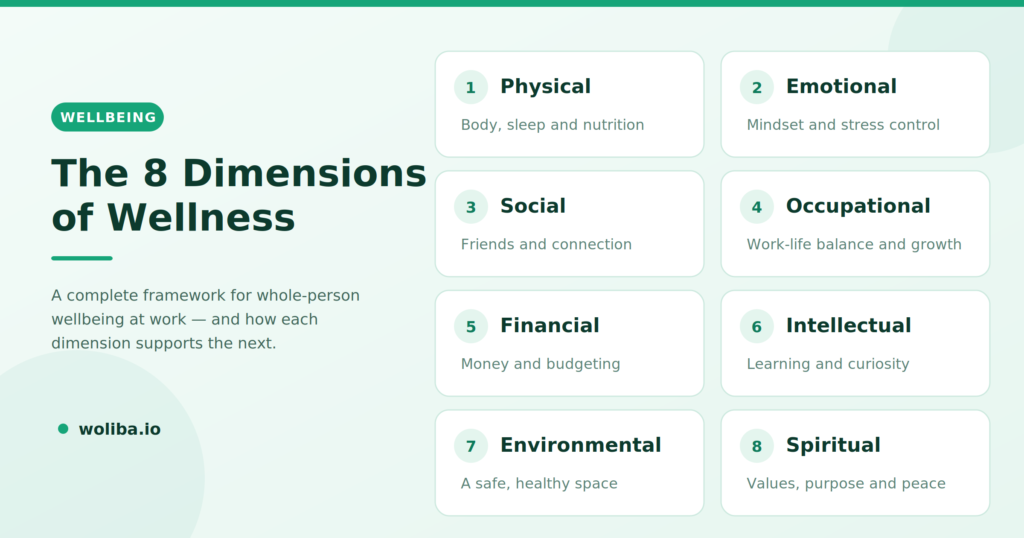
These initiatives often align with the 9 dimensions of wellness, helping organizations understand how each area supports overall employee well-being.
What this includes
- Volunteer and community service programs
- Employee-led interest groups
- Social responsibility initiatives
- Celebrating personal and professional milestones
How organizations can foster purpose
Encouraging community involvement and shared values helps employees feel connected to something bigger than their role, strengthening engagement and workplace culture.
How Woliba Supports Employee Wellness Programs?
Employee wellness programs are most effective when they are easy to access, engaging, and consistently used by employees. One of the biggest challenges organizations face is managing multiple wellness initiatives without creating confusion or low participation. Woliba helps address this challenge by bringing different aspects of employee wellness into one structured platform.
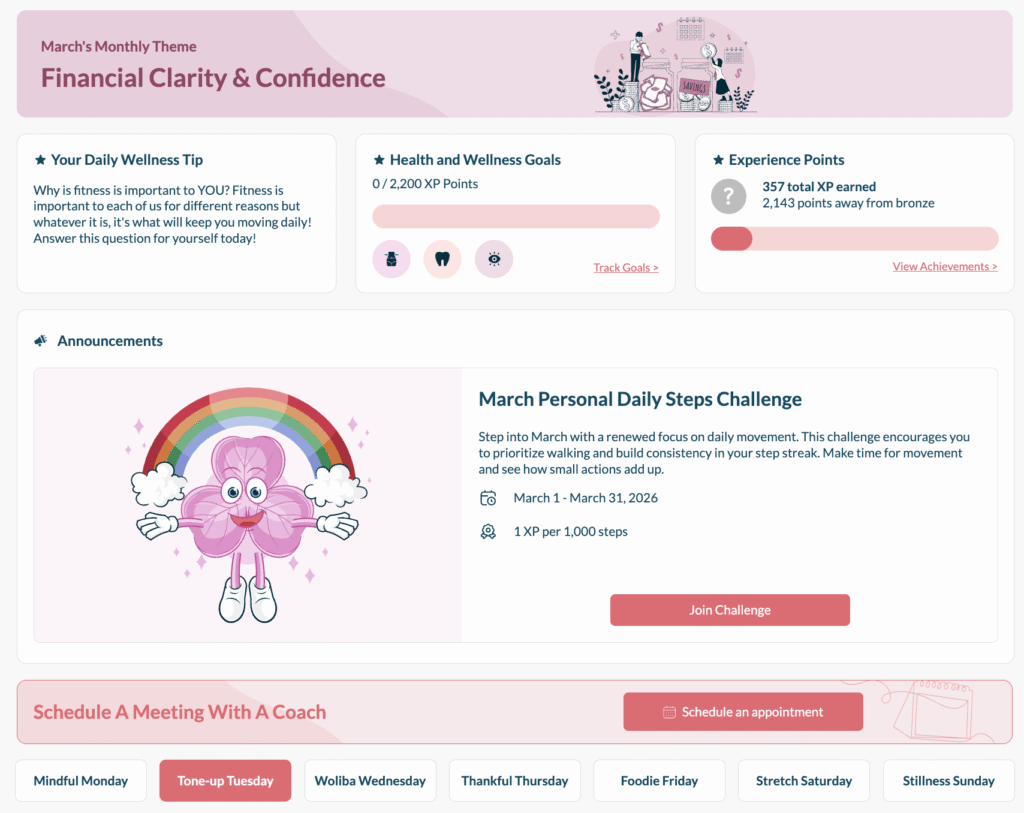
Bringing Multiple Wellness Components Together
Woliba supports employee wellness programs by connecting physical wellness, mental well-being, social connection, and recognition in one place. Instead of running isolated initiatives, organizations can align wellness activities with everyday employee engagement, making wellness part of regular work life rather than a separate effort.
Encouraging Healthy Habits and Participation
Wellness programs only work when employees actively participate. Woliba helps encourage participation through wellness challenges, activity-based initiatives, and goal-oriented programs that motivate employees to build healthier routines. These initiatives work for both in-office and remote teams, supporting flexibility and inclusivity.
Strengthening Social Wellness and Workplace Connection
Social connection is a key component of employee wellness, especially in hybrid and remote work environments. Woliba supports social wellness by enabling peer recognition, team-based activities, and shared wellness experiences. These interactions help employees feel connected, valued, and part of a community.
Supporting Recognition and Emotional Well-Being
Recognition plays an important role in emotional wellness. Woliba allows organizations to recognize employee achievements, celebrate milestones, and reward positive behaviors. Consistent recognition helps improve morale, motivation, and overall job satisfaction.
Reinforcing a Culture of Well-Being
Wellness programs are more successful when they are supported by workplace culture. Woliba helps organizations reinforce a culture where well-being is encouraged, visible, and supported at all levels. By integrating wellness and recognition into daily workflows, employees are more likely to engage with and trust wellness initiatives.
Making Wellness Programs Measurable
To improve employee wellness programs over time, organizations need insights into what is working. Woliba provides visibility into participation and engagement levels, helping HR teams and leaders understand employee involvement and refine their wellness strategies based on real data.
How Brands Are Bringing Wellness Programs into Employees’ Lives
Organizations across industries are moving beyond basic wellness initiatives and focusing on holistic employee wellness programs that support physical, mental, social, and emotional well-being. A common factor among successful programs is the use of technology to make wellness more accessible, engaging, and measurable in employees’ daily work lives.
One example is Gilsbar, a national insurance services organization that strengthened its wellness efforts by using Woliba to bring multiple wellness components together. By combining wellness challenges, employee recognition, and engagement insights, Gilsbar increased wellness challenge participation from 55% to 90%, while also improving overall employee engagement. This shows how integrating wellness with recognition and data-driven insights can significantly increase participation.
Another example comes from High Point University, which introduced Woliba to support wellness across its campus workforce. Through personalized wellness programming, centralized wellness management, and ongoing challenges, the university filled more than half of its available program seats within the first 90 days. During this period, employees completed over 24,000 wellness activities, demonstrating strong engagement when wellness programs are easy to access and well-organized.
Similarly, Fishman Flooring Solutions focused on improving social wellness and healthy habits by introducing gamified wellness challenges. These initiatives encouraged employees to participate in health-focused activities while also strengthening team connections. As a result, the company saw increased engagement across wellness challenges, recognition programs, and social wellness features.
These examples highlight a clear pattern. When organizations align the core components of employee wellness programs with technology, engagement strategies, and workplace culture, wellness becomes part of everyday work life rather than a one-time initiative. Successful programs focus on participation, connection, and consistency, making it easier for employees to build healthier habits over time.
Conclusion
The components of employee wellness programs extend far beyond fitness perks or occasional health campaigns. A truly effective wellness strategy addresses the physical, mental, financial, social, occupational, and environmental needs of employees in a holistic and inclusive way.
Organizations that invest in comprehensive wellness programs not only improve employee well-being but also build resilient, productive, and future-ready workplaces. By understanding and implementing the right wellness components, employers can create a culture where employees thrive—both professionally and personally.
Frequently Asked Questions (FAQs)
What are the main components of employee wellness programs?
The main components include physical, mental, financial, social, occupational, and environmental wellness.
Are employee wellness programs effective?
Yes, when well-designed and actively supported by leadership, wellness programs can significantly improve employee health, engagement, and productivity.
How much do employee wellness programs cost?
Costs vary depending on program scope, organization size, and selected initiatives. Many effective programs can be implemented with minimal investment.
Can small businesses implement wellness programs?
Absolutely. Small businesses can start with low-cost initiatives such as flexible schedules, wellness challenges, or mental health resources.
How do you measure the success of a wellness program?
Success can be measured through participation rates, employee feedback, absenteeism data, healthcare costs, and engagement surveys.