
Burnout is a state of chronic physical, emotional, and mental exhaustion caused by prolonged workplace stress that hasn’t been effectively managed. It doesn’t happen overnight. It builds over time when employees consistently face more demands than they have the energy, support, or resources to handle.
The World Health Organization (WHO) classifies burnout in its ICD-11 as an occupational phenomenon. That means it is tied specifically to the work environment, which is why addressing it is a shared responsibility between employees and the organizations they work for.
The Three Dimensions of Burnout
The WHO defines burnout by three key characteristics:
- Exhaustion: Employees feel drained and depleted, and rest alone doesn’t restore their energy.
- Disengagement or cynicism: Employees grow distant from their work, team, or company mission.
- Reduced performance: Employees feel less effective and less confident in their ability to contribute.
Why Burnout Matters to Organizations
Burnout isn’t just an individual wellbeing issue. It’s a business issue. When burnout spreads across a workforce, organizations often see:
- Higher turnover, as burned-out employees are more likely to leave
- Increased absenteeism and more sick days
- Lower productivity and more errors
- Declining engagement and weaker team morale
- Rising healthcare costs linked to stress-related health conditions
- Damage to culture and employer brand, making it harder to attract talent
Warning Signs HR Teams and Managers Should Watch For
Burnout often shows up in behavior before an employee says anything. Common signals include:
- Withdrawing from meetings, team activities, or collaboration
- Increased irritability, cynicism, or negativity
- Missed deadlines or a noticeable drop in quality of work
- More frequent absences or late arrivals
- Low participation in engagement surveys or wellbeing programs
- Working excessive hours without visible results
Common Workplace Causes of Burnout
- Unmanageable workloads and unrealistic deadlines
- Lack of autonomy or control over work
- Unclear roles and expectations
- Insufficient recognition for effort and results
- Poor manager support or communication
- Weak team connection and social isolation, especially in remote and hybrid teams
- Misalignment between employee values and company culture
- An “always-on” culture that blurs work-life boundaries
Burnout vs. Stress
Stress and burnout are related, but they aren’t the same. Stress usually feels like too much: too many tasks, too much pressure, too little time. Stressed employees are often still engaged and believe things will get better. Burnout feels like not enough: not enough energy, motivation, or care left to give. When workplace stress goes unaddressed for too long, it can turn into burnout.
How Organizations Can Prevent Burnout
Preventing burnout requires a proactive, culture-wide approach rather than one-off fixes:
- Build a culture of recognition. Regular, meaningful appreciation helps employees feel valued and motivated.
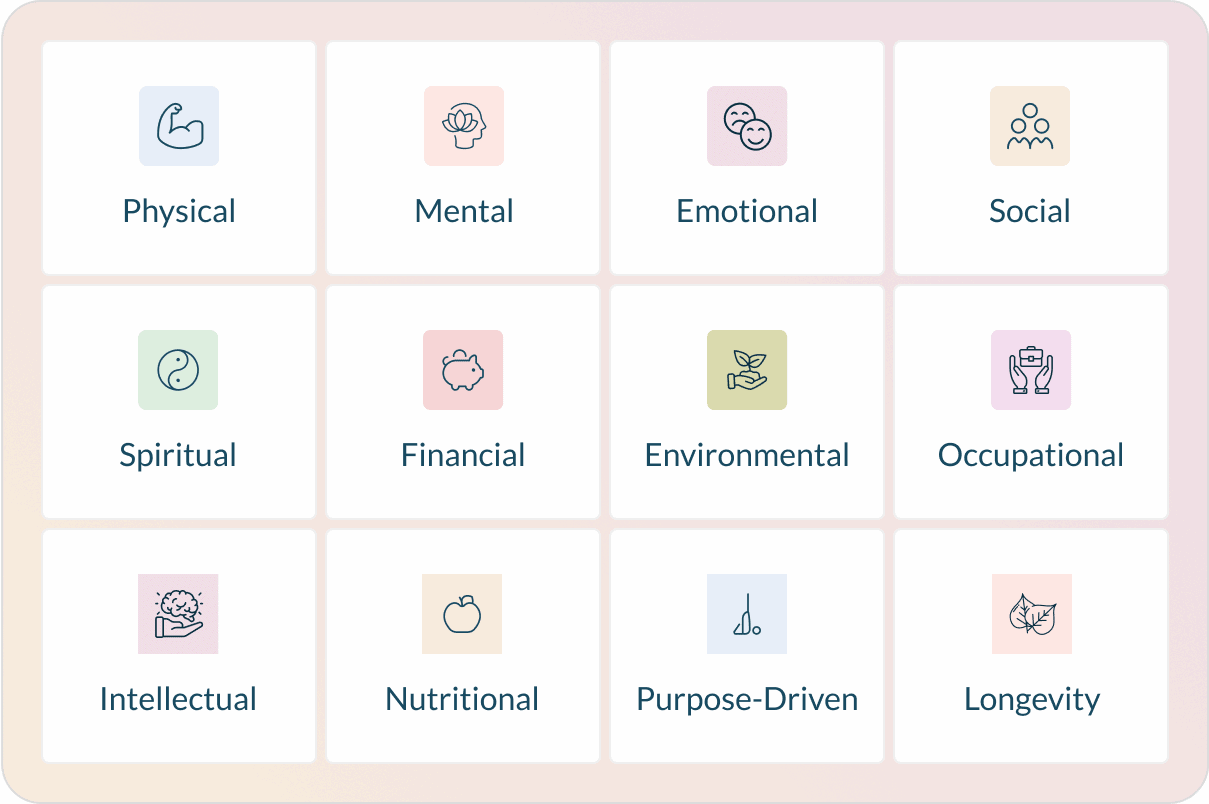
- Make wellbeing accessible. Offer resources that support physical, mental, financial, and social health.
- Listen continuously. Use pulse and engagement surveys to spot burnout risk early.
- Train managers. Equip leaders to recognize warning signs and have supportive conversations.
- Encourage healthy boundaries. Model and promote breaks, time off, and reasonable working hours.
- Foster connection. Team challenges, social activities, and shared goals strengthen belonging.
- Review workloads and roles. Make sure expectations are clear and demands are realistic.
How Woliba Helps
Woliba helps HR teams take a proactive approach to burnout prevention by bringing wellbeing, recognition, engagement, and employee feedback together in one platform. With wellness challenges, peer-to-peer recognition, engagement surveys, and on-demand coaching, organizations can spot early warning signs, support employees across every dimension of wellbeing, and build a culture where people thrive.