
Employee experience (EX) is the sum of every interaction, perception, and feeling an employee has with their organization throughout their time there, from the first job posting they see to the day they leave. It includes everything from onboarding and daily work to relationships with managers, recognition, wellbeing support, the tools they use, and the culture around them.
Think of employee experience as the employee version of customer experience. Just as great customer experiences build loyalty, great employee experiences build engagement, retention, and performance. Employee experience isn’t shaped by one program or moment. It’s the combined effect of culture, leadership, technology, environment, and the everyday moments that make employees feel valued or overlooked.
The Three Environments of Employee Experience
Author and futurist Jacob Morgan describes employee experience as shaped by three key environments:
- Culture: How employees feel about the organization, including leadership, values, recognition, belonging, and purpose.
- Technology: The tools and platforms employees use to do their work, communicate, and access resources.
- Physical (or work) environment: Where employees work, whether in the office, at home, or in a hybrid setup, and how well it supports productivity and wellbeing.
The Employee Experience Lifecycle
Employee experience spans the entire employee journey:
- Attract: How the employer brand, job postings, and reputation appeal to candidates
- Recruit: The hiring process, communication, and candidate experience
- Onboard: How new hires are welcomed, trained, and connected to the team
- Develop: Learning, coaching, growth opportunities, and career progression
- Retain: Recognition, wellbeing, engagement, and daily experiences that keep employees invested
- Exit: How departures are handled, including offboarding and exit feedback, which shapes alumni perception and employer brand
Why Employee Experience Matters to Organizations
A positive employee experience has a direct impact on business outcomes. Organizations that prioritize employee experience often see:
- Higher engagement, as employees feel valued and connected
- Stronger retention and lower turnover costs
- Increased productivity, thanks to better tools, support, and clarity
- Better customer experiences, since engaged employees deliver better service
- More innovation, driven by motivated, empowered teams
- A stronger employer brand that attracts top talent
- Improved wellbeing, with less stress and burnout
Signs of a Positive vs. Poor Employee Experience
A positive employee experience looks like:
- Smooth, welcoming onboarding
- Regular recognition and appreciation
- Clear communication and expectations
- Easy access to tools, resources, and benefits
- Opportunities for growth and development
- Strong relationships with managers and peers
- Support for wellbeing and work-life balance
A poor employee experience looks like:
- Confusing or rushed onboarding
- Little recognition or feedback
- Disconnected tools and too many systems
- Unclear growth paths
- Feeling unheard or undervalued
- Rising disengagement, quiet quitting, or turnover
Key Drivers of Employee Experience
- Recognition and appreciation: Feeling seen and valued for contributions
- Leadership and manager support: Trust, communication, and coaching
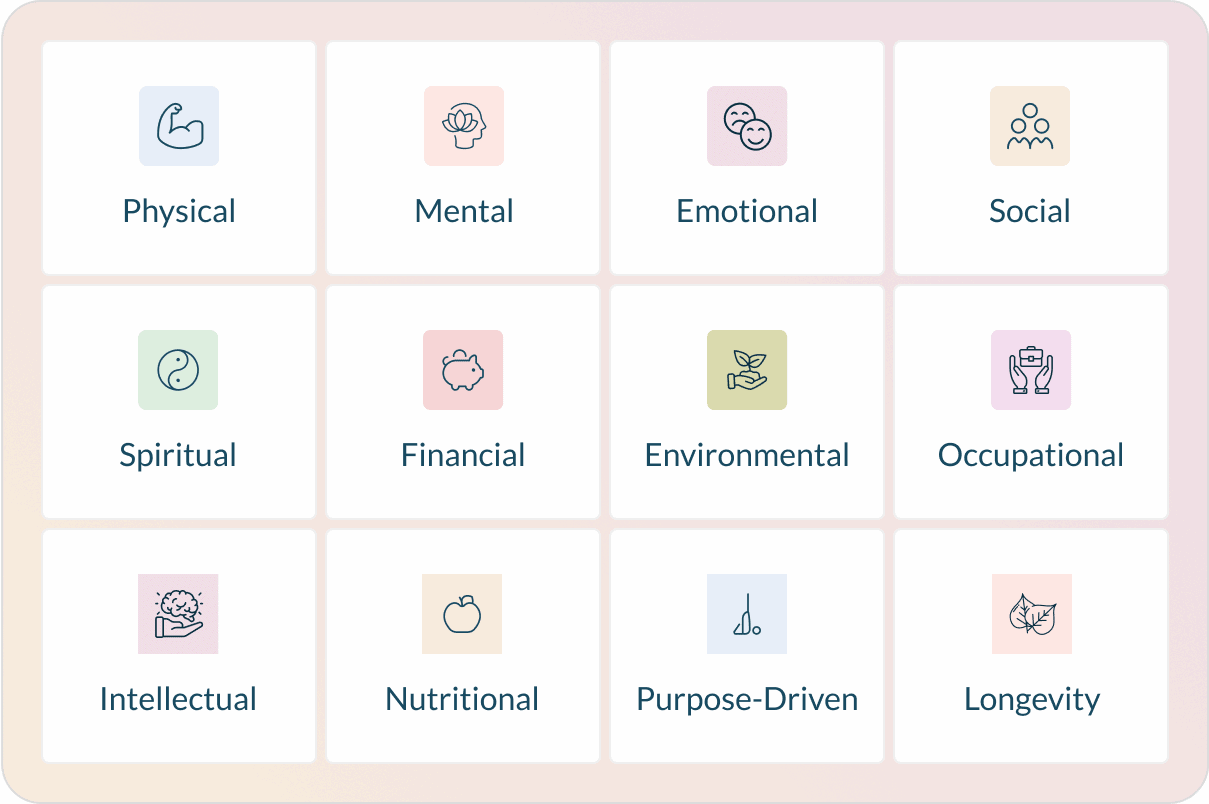
- Wellbeing: Support for physical, mental, social, and financial health
- Growth and development: Learning opportunities and clear career paths
- Culture and belonging: Shared values, inclusion, and psychological safety
- Technology and tools: Simple, connected systems that make work easier
- Voice and feedback: Employees feel heard and see their input acted on
- Flexibility: Work arrangements that fit employees’ lives
Employee Experience vs. Employee Engagement
These two are closely connected but not the same. Employee experience is what the organization provides: the full journey and every interaction along the way. Employee engagement is how employees feel and act as a result: their level of commitment, motivation, and connection. Put simply, employee experience is the input and engagement is the outcome. Improving the experience is one of the most effective ways to increase engagement.
How Organizations Can Improve Employee Experience
- Map the employee journey. Identify key moments, from onboarding to milestones, and spot where experiences fall short.
- Listen continuously. Use pulse surveys, engagement surveys, and feedback tools to understand how employees feel at every stage.
- Make recognition a habit. Celebrate achievements, milestones, birthdays, and work anniversaries.
- Support holistic wellbeing. Offer resources that support every dimension of employee health.
- Simplify technology. Consolidate tools so employees have one easy place to access what they need.
- Invest in managers. Managers shape the day-to-day experience more than anyone else.
- Foster connection. Team challenges, events, and social activities build belonging, especially for remote and hybrid teams.
- Act on feedback. Close the loop so employees see that their input leads to real change.
How Woliba Helps
Woliba helps HR teams create a better employee experience by bringing wellbeing, recognition, engagement surveys, rewards, coaching, and communication together in one connected platform. Instead of juggling multiple disconnected tools, employees get one simple, engaging experience, and HR teams get the insights they need to understand how employees feel and build a workplace where people thrive.