
Work-life balance is the state in which a person can meet the demands of their job while still having enough time and energy for their personal life, including family, health, rest, and personal interests. Healthy work-life balance means work doesn’t consistently crowd out the rest of life.
Work-life balance doesn’t mean splitting time exactly 50/50 between work and home. The right balance looks different for every person and can shift with life stages and responsibilities. What matters is that employees have enough control, flexibility, and energy to manage both without constant stress.
Key Elements of Work-Life Balance
Work-life balance is shaped by three key elements:
- Time: Having reasonable working hours and enough time left for personal priorities.
- Energy: Finishing the workday with enough physical and mental energy for life outside work.
- Control: Having flexibility and a say in when, where, and how work gets done.
Why Work-Life Balance Matters to Organizations
Work-life balance is one of the top factors employees weigh when choosing, staying in, or leaving a job. In a January 2026 SurveyMonkey and USA Today survey, 61% of workers said work-life balance plays a large role in how they feel about their jobs. Organizations that support it often see:
- Lower burnout and fewer stress-related absences
- Higher retention, as poor balance is a common reason employees leave
- Better productivity and focus from well-rested employees
- Stronger engagement and morale
- A more attractive employer brand, especially for younger talent
Signs of Healthy vs. Unhealthy Work-Life Balance
Healthy work-life balance looks like:
- Reasonable, predictable working hours
- Logging off without pressure to answer after-hours messages
- Taking vacation time fully, without guilt
- Flexibility for personal needs, like appointments or family events
- Energy left for family, friends, exercise, and hobbies
Unhealthy work-life balance looks like:
- Regularly working late nights or weekends
- Constantly checking emails and messages outside work hours
- Skipping breaks, meals, sleep, or exercise because of work
- Canceling personal plans due to work demands
- Unused vacation days piling up
- Feeling exhausted or unable to “switch off”
Common Causes of Poor Work-Life Balance
- Heavy workloads and unrealistic deadlines
- An “always-on” culture with after-hours communication
- Lack of flexibility in schedules or work location
- Managers who model overwork
- Understaffing and unclear priorities
- Caregiving responsibilities without workplace support
Work-Life Balance vs. Work-Life Integration
Work-life balance keeps work and personal life separate, with clear boundaries and set working hours. Work-life integration blends the two, allowing employees to move fluidly between work and personal tasks throughout the day. Balance suits people who prefer structure, while integration suits those who value flexibility and autonomy. The best employers give employees room to choose what works for them.
How Organizations Can Support Work-Life Balance
- Offer flexibility in schedules and work location where possible.
- Set clear after-hours norms so employees aren’t expected to respond outside work time.
- Encourage time off, and have leaders take vacations too.
- Manage workloads by reviewing priorities and staffing regularly.
- Train managers to spot early signs of overwork and burnout.
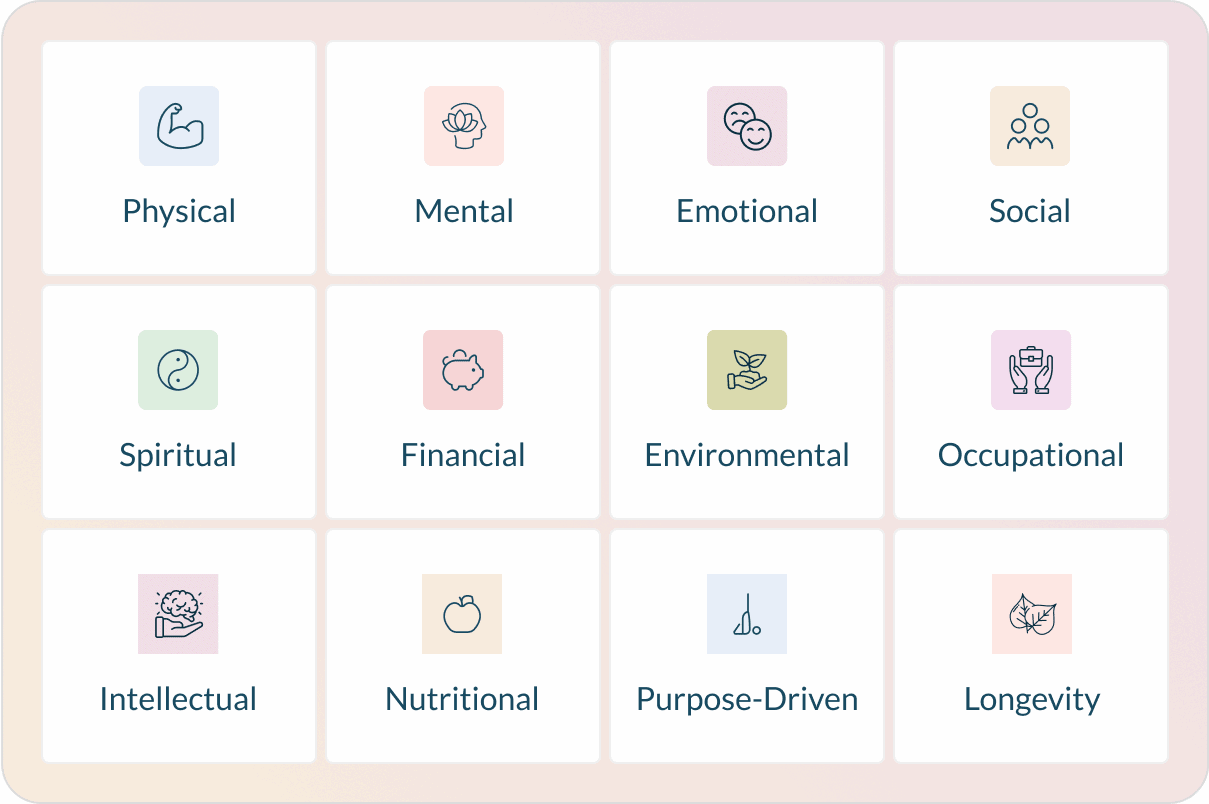
- Support holistic wellbeing across mental, physical, financial, and social health.
- Listen continuously with pulse surveys that ask about workload and balance.
- Recognize results, not hours, so long hours aren’t rewarded by default.
How Woliba Helps
Woliba helps HR teams build a culture that supports work-life balance by bringing wellbeing, recognition, engagement surveys, and coaching together in one platform. With wellness challenges that encourage rest and healthy habits, pulse surveys that track workload and burnout risk, and recognition that celebrates impact over hours worked, organizations can help employees thrive at work and in life.