
Participation rate is the percentage of eligible employees who take part in a workplace program, such as a wellness program, challenge, survey, recognition program, or benefit. It’s one of the most common ways HR teams measure whether an employee program is reaching the people it was designed for.
Participation rate is often the first metric HR leaders, executives, and benefits brokers look at to judge a program’s success. A program can be well designed, but if employees don’t use it, it can’t improve wellbeing, engagement, or business outcomes.
Note: In economics, “participation rate” usually refers to the labor force participation rate, the share of the working-age population that is employed or looking for work. This entry covers participation in employee programs.
How to Calculate Participation Rate
Participation Rate = (Number of Participating Employees ÷ Number of Eligible Employees) × 100
Example: If 1,000 employees are eligible for a wellness challenge and 300 join, the participation rate is (300 ÷ 1,000) × 100 = 30%.
Always define “eligible” and “participating” clearly before measuring. For example, decide whether “participating” means signing up, completing at least one activity, or finishing the program.
Types of Participation Metrics
HR teams often track participation at several levels:
- Enrollment rate: The percentage of eligible employees who sign up for a program.
- Active participation rate: The percentage who actively engage, such as logging activities or attending sessions.
- Completion rate: The percentage who finish a challenge, course, or program.
- Repeat participation rate: The percentage who return for multiple programs or challenges over time.
Looking beyond enrollment gives a much more accurate picture of real engagement.
Why Participation Rate Matters to Organizations
- Shows program reach: It reveals how many employees are actually benefiting.
- Supports ROI measurement: Programs can’t improve health, engagement, or retention outcomes without participation.
- Guides budget decisions: It helps HR justify investment in programs that work and rethink ones that don’t.
- Highlights gaps: Low participation in certain teams, locations, or employee groups shows where access or communication needs work.
- Signals culture: High, broad participation often reflects a supportive, engaged workplace.
What Is a Good Participation Rate?
There’s no single benchmark. Participation rates vary widely depending on program type, incentives, communication, company culture, and how participation is defined. A rate that looks low for a single challenge may be strong for an optional, year-round program.
The most useful comparisons are usually internal: tracking your own rates over time, across programs, and between teams or locations.
Common Factors That Affect Participation Rate
- How relevant and appealing the program is to employees
- How easy it is to access, especially on mobile
- Communication and awareness
- Leadership involvement and visibility
- Incentives and rewards
- Time constraints and workload
- Inclusivity for remote, hybrid, and deskless employees
- Trust in how personal data is handled
Participation Rate vs. Engagement
Participation rate measures how many employees take part in a program. Engagement measures how deeply they take part and how much they care. A program can have high sign-ups but low ongoing activity. That’s why the strongest programs track both participation and depth of engagement, such as repeat participation, completion rates, and employee feedback.
How Organizations Can Increase Participation Rate
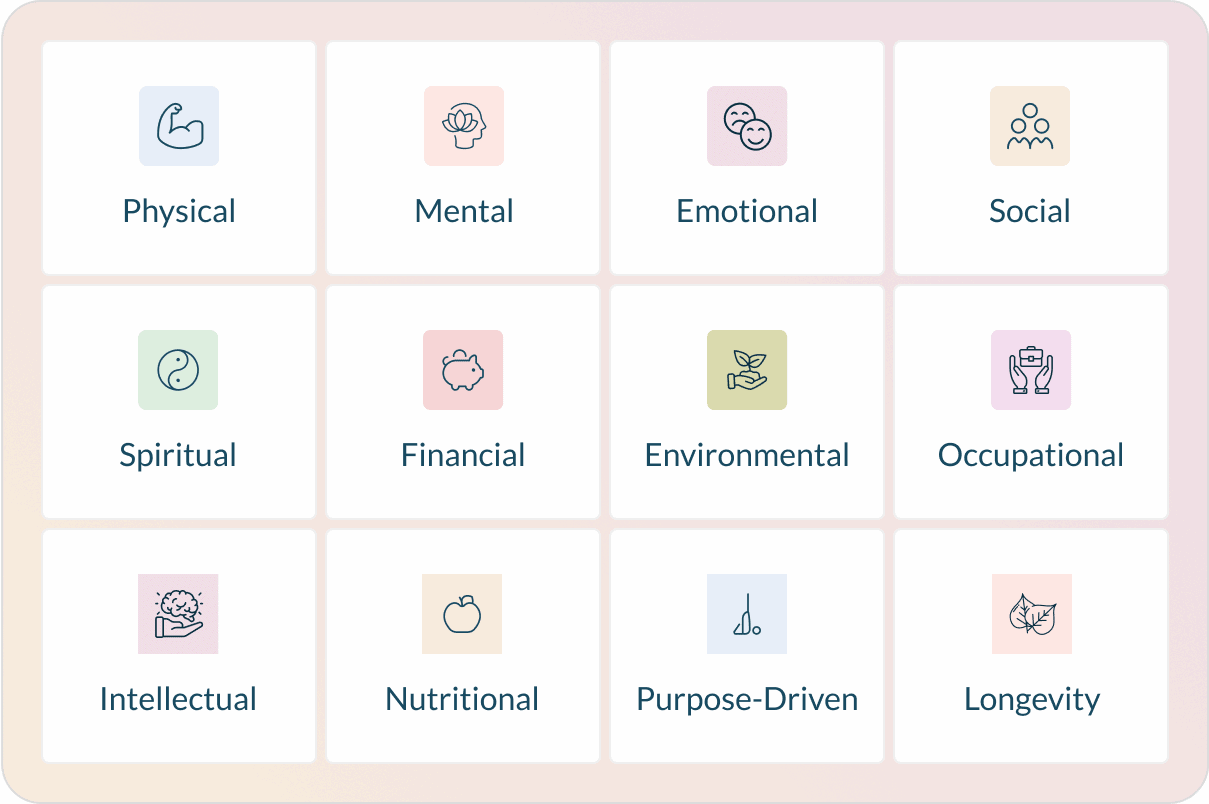
- Offer variety. Include options across physical, mental, financial, and social wellbeing so every employee finds something relevant.
- Make it easy. Use a simple, mobile-friendly platform that’s accessible to every employee.
- Communicate consistently. Promote programs through multiple channels, not just a single launch email.
- Get leaders involved. Visible leadership participation encourages employees to join.
- Add fun and friendly competition. Team challenges and leaderboards build momentum.
- Reward and recognize participation. Points, rewards, and shout-outs keep motivation high.
- Listen to employees. Use pulse surveys to learn what employees want, then shape programs around it.
- Remove barriers. Make sure programs fit employees’ schedules, locations, and roles.
How Woliba Helps
Woliba helps HR teams boost participation by bringing wellness challenges, recognition, rewards, surveys, and coaching together in one engaging, mobile-friendly platform. With team challenges, leaderboards, rewards, and real-time reporting, HR teams can drive participation across every location and work style, track enrollment and activity in one place, and show the impact of their programs to leadership.