
Workplace stress is the harmful physical and emotional response that occurs when the demands of a job don’t match an employee’s capabilities, resources, or needs. The U.S. National Institute for Occupational Safety and Health (NIOSH) defines job stress in these terms. It happens when employees feel they can’t cope with the pressure, workload, or expectations placed on them.
Some short-term pressure, like a deadline that brings focus and energy, is a normal part of work. Workplace stress becomes a problem when it’s frequent, intense, or ongoing. Over time, chronic workplace stress can harm physical and mental health, reduce performance, and lead to burnout.
Types of Workplace Stress
- Acute stress: Short-term stress triggered by a specific event, such as a tight deadline or a difficult meeting. It usually passes once the situation is resolved.
- Episodic stress: Frequent, repeated bouts of acute stress, often caused by recurring pressures like constant deadlines or ongoing conflicts.
- Chronic stress: Long-term, persistent stress from ongoing conditions like heavy workloads, job insecurity, or a toxic work environment. This is the most harmful type and a major driver of burnout.
What Causes Workplace Stress?
The UK Health and Safety Executive (HSE) identifies six main areas of work that can cause stress when they aren’t managed well:
- Demands: Workload, deadlines, and work environment
- Control: How much say employees have in how they do their work
- Support: Encouragement and resources from managers and colleagues
- Relationships: Conflict, unacceptable behavior, or poor team dynamics
- Role: Whether employees understand their responsibilities and expectations
- Change: How organizational changes are managed and communicated
Other common contributors include job insecurity, lack of recognition, poor work-life balance, financial stress, and an “always-on” culture.
Why Workplace Stress Matters to Organizations
Unmanaged workplace stress affects both employees and the business:
- Higher absenteeism and more sick days
- Lower productivity and more errors
- Increased burnout and disengagement
- Higher turnover and recruitment costs
- Rising healthcare costs linked to stress-related health conditions
- Weaker morale and team relationships
- Greater safety risks in roles where focus and attention are critical
Signs of Workplace Stress
Physical signs:
- Headaches, muscle tension, or stomach problems
- Fatigue and trouble sleeping
- Frequent illness
Emotional signs:
- Irritability, anxiety, or feeling overwhelmed
- Low motivation or mood
- Difficulty concentrating
Behavioral signs:
- Withdrawing from colleagues or team activities
- Increased absenteeism or lateness
- Declining performance or missed deadlines
- Increased conflict with coworkers
Workplace Stress vs. Burnout
Workplace stress is the strain employees feel when job demands outweigh their resources. Stressed employees often feel pressured and overloaded but are still engaged and believe things can improve. Burnout is what can happen when chronic workplace stress goes unmanaged for too long. It leads to exhaustion, detachment, and reduced performance. Stress is often the warning sign, and burnout is the result when it isn’t addressed.
How Organizations Can Reduce Workplace Stress
- Manage workloads. Review priorities, deadlines, and staffing regularly.
- Give employees more control. Offer flexibility in how, when, and where work gets done.
- Clarify roles and expectations. Reduce confusion about responsibilities.
- Train managers. Equip leaders to spot stress early and have supportive conversations.
- Communicate change clearly. Keep employees informed during organizational changes.
- Recognize contributions. Regular appreciation reduces stress and builds resilience.
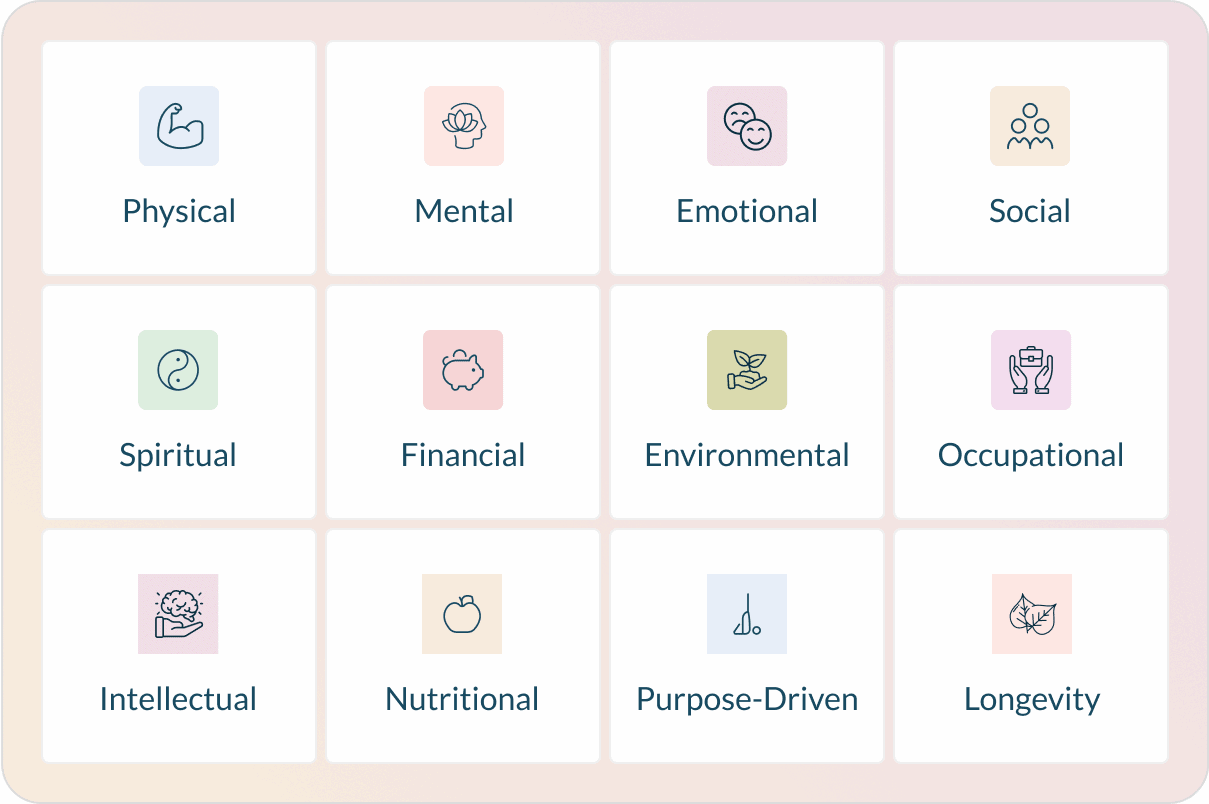
- Support holistic wellbeing. Offer resources for mental, physical, financial, and social health.
- Listen continuously. Use pulse surveys to measure stress levels and identify hotspots.
- Promote healthy boundaries. Discourage after-hours messages and encourage time off.
- Make support accessible. Promote resources like employee assistance programs (EAPs) and coaching.
How Woliba Helps
Woliba helps HR teams reduce workplace stress by bringing wellbeing, recognition, pulse surveys, and coaching together in one platform. With stress-management and mental resilience resources, wellness challenges that encourage rest and healthy habits, recognition that helps employees feel valued, and surveys that reveal stress hotspots early, organizations can support employees before stress turns into burnout.