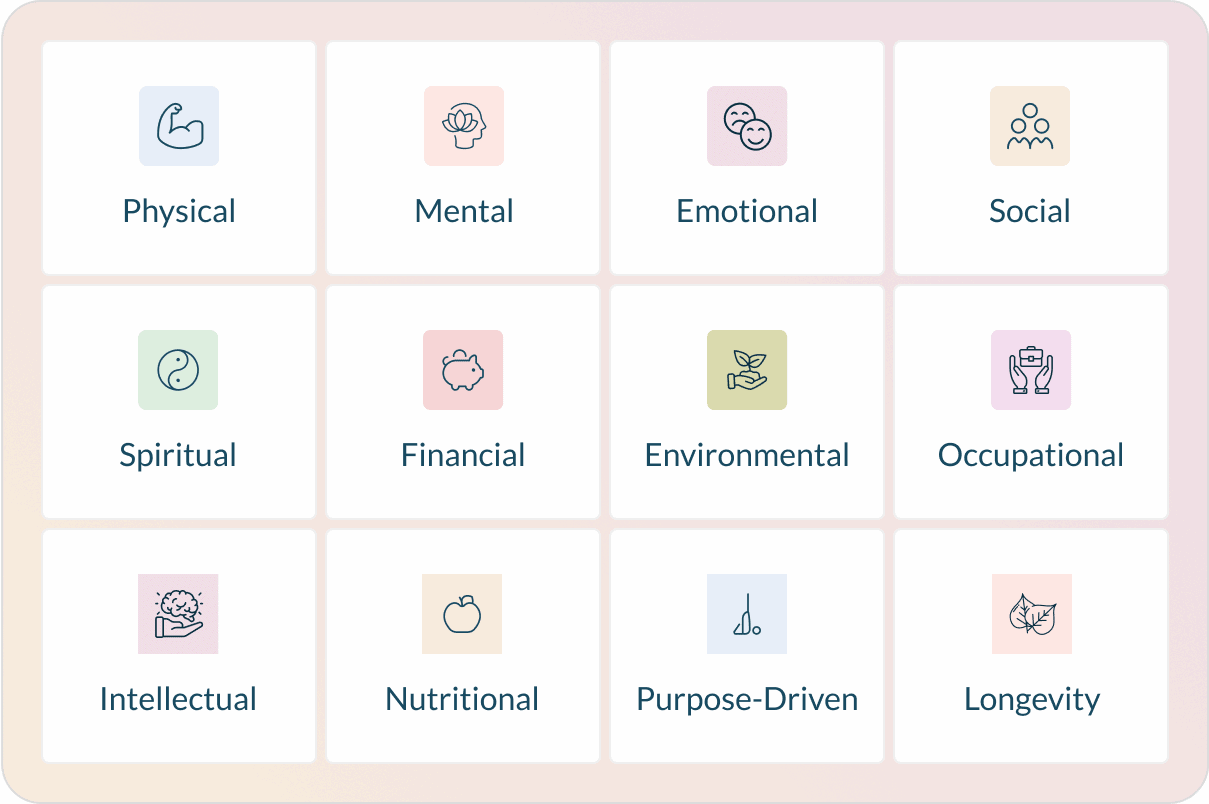

Financial wellness is a state in which a person feels secure and in control of their finances, both today and in the future. It means being able to manage everyday expenses, handle unexpected costs, work toward financial goals, and make choices that allow them to enjoy life without constant money-related stress.
Financial wellness isn’t only about how much someone earns. It’s about how confident, prepared, and stress-free they feel about money. Because financial stress often follows employees to work, affecting focus, health, and productivity, financial wellness has become a key part of holistic employee wellbeing programs.
The Four Elements of Financial Wellness
The U.S. Consumer Financial Protection Bureau (CFPB) describes financial well-being through four key elements:
- Control over day-to-day finances: Being able to cover bills and living expenses comfortably.
- Capacity to absorb a financial shock: Having a safety net, such as emergency savings, to handle unexpected expenses.
- Being on track to meet financial goals: Making progress toward goals like buying a home, paying off debt, or saving for retirement.
- Financial freedom to make choices: Having enough flexibility to enjoy life, such as taking a vacation or pursuing personal interests.
Why Financial Wellness Matters to Organizations
Financial stress doesn’t stay at home. It shows up at work in ways that affect both employees and the business. Organizations that support financial wellness often see:
- Higher productivity, as employees spend less time worrying about money during work hours
- Lower stress and better mental health across the workforce
- Reduced absenteeism linked to stress-related health issues
- Stronger retention, since employees value employers who support their financial security
- Higher engagement, as financially secure employees can focus on their work and growth
- Better physical health outcomes, as chronic financial stress is linked to sleep problems, anxiety, and other health concerns
- A stronger employer brand that attracts talent looking for meaningful benefits
Signs of Financial Stress in the Workplace
Financial stress can be hard to see, but common signals include:
- Increased distraction, fatigue, or difficulty concentrating
- Higher absenteeism or tardiness
- Frequent requests for pay advances or extra shifts
- Low participation in retirement savings plans
- Early withdrawals or loans from retirement accounts
- Increased stress, irritability, or signs of burnout
- Taking on second jobs that affect energy and performance
Common Causes of Financial Stress
- Rising living costs and inflation
- High levels of debt, such as credit card, student loan, or medical debt
- Lack of emergency savings
- Limited financial knowledge or planning skills
- Unexpected expenses like medical bills or car repairs
- Supporting family members or dependents
- Uncertainty about retirement readiness
Financial Wellness vs. Financial Literacy
These terms are related but not the same. Financial literacy is the knowledge and skills needed to manage money, such as understanding budgeting, credit, interest, and investing. Financial wellness is the outcome: how secure and in control someone actually feels about their finances. Financial literacy is a building block of financial wellness, but knowledge alone isn’t enough. Habits, resources, and support also play a major role.
How Organizations Can Support Financial Wellness
- Offer financial education. Provide workshops, webinars, and on-demand resources on budgeting, debt management, saving, and retirement planning.
- Provide access to financial coaching. One-on-one guidance helps employees build personalized plans.
- Strengthen financial benefits. Consider retirement matching, emergency savings programs, student loan assistance, or other relevant benefits.
- Make benefits easy to understand. Clear communication helps employees use the benefits they already have.
- Encourage healthy habits. Savings challenges and goal-tracking make financial progress engaging and achievable.
- Reduce stigma. Normalize conversations about money so employees feel comfortable seeking help.
- Take a holistic approach. Connect financial wellness with mental, physical, and social wellbeing, since they’re closely linked.
How Woliba Helps
Woliba helps organizations support financial wellness as part of a holistic approach to employee wellbeing. With engaging wellness challenges, educational resources, coaching, and rewards in one platform, HR teams can help employees build healthier financial habits, reduce money-related stress, and feel more secure and supported, both at work and beyond.