

Many companies start a recognition program with lots of excitement. There’s a launch email, a few shout-outs, maybe an award or two. Then, a few months later, it quietly fades away.
The problem usually isn’t a lack of good intentions. It’s a lack of structure. If you want to know how to build an employee recognition program that lasts, you need a clear plan, the right recognition tool, and a way to keep it going.
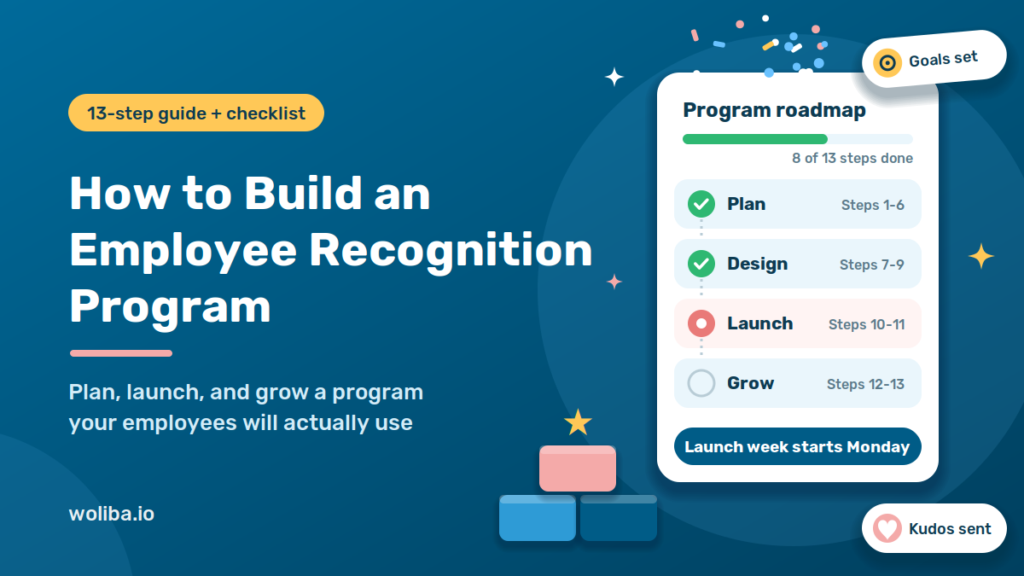
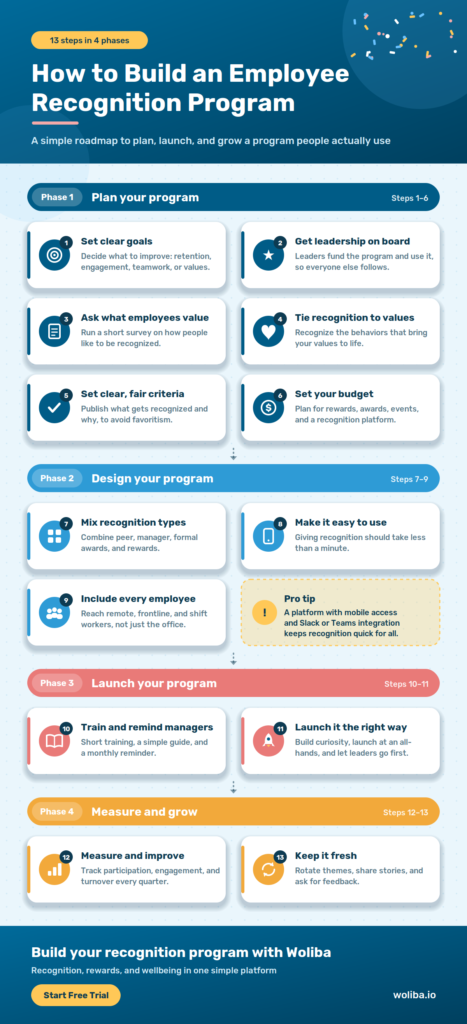
This guide walks you through 13 simple steps, from setting goals to measuring results. At the end, you’ll find a checklist to help you build your own wellness program with confidence.
What Is an Employee Recognition Program?
An employee recognition program is a structured, ongoing system that helps a company recognize employees in a consistent and fair way.
It’s different from a random thank-you now and then. A real program has:
- Clear goals that explain what the program should improve
- Criteria that show what gets recognized and why
- A budget for rewards, awards, and tools
- A simple way to give recognition, like an employee wellness platform or app
- A way to measure results over time
Most strong programs include four main parts: peer-to-peer recognition, manager recognition, formal awards, and rewards. We’ll cover how to combine them later in this guide.
If you’re looking for specific wellness challenge ideas to include in your program, check out our ideas of employee recognition.
Why Your Organization Needs a Recognition Program
When recognition depends only on individual managers, some employees get thanked often while others are never noticed. A corporate wellness program fixes that by making recognition part of how your company works.
A good recognition program helps you:
- Keep your best people. Employees who feel valued are less likely to leave.
- Boost engagement. People who are recognized care more about their work.
- Build your culture. Recognizing the right behaviors brings your company values to life.
- Make recognition fair. Everyone gets the same chance to be noticed, no matter their team or location.
Signs You Need One
You may need a formal program if:
- Recognition depends on which manager you have
- Wellness Activites for Remote or frontline employees feel overlooked
- Engagement scores are dropping
- People are only thanked once a year, during reviews
- Your company values exist on paper but not in daily work
If any of these sound familiar, it’s time to build a program. Let’s get started.
Phase 1: Plan Your Program
Good planning is what separates programs that last from programs that fade. These first six steps lay the foundation.
Step 1: Set Clear Goals
Before you design anything, decide what you want the program to achieve. Do you want to improve retention, boost engagement, run team-building activities, or help people live your company values?
Clear goals matter because they give the program a purpose. A program built “just because” has nothing to measure, and it quickly loses support from leaders and employees.
Keep your goals simple and specific, so you can track progress later.
Example goal: “Increase our employee pulse survey score for ‘I feel recognized for my work’ by 15% within 12 months.”
Step 2: Get Leadership on Board
Leaders play two roles in a recognition program. First, they approve the budget. Second, and just as important, they need to use the program themselves.
When leaders recognize people often, employees see that the program matters. When leaders stay silent, the program starts to feel like a box-ticking exercise from HR.
Tip: How to build your business case for leaders
- Retention costs: Explain how much it costs to replace an employee, and how recognition can help people stay.
- Engagement data: Share your current engagement scores and where recognition could improve them.
- Culture goals: Show how the program will bring your company values to life.
Once leaders agree, ask them to commit to giving recognition regularly, especially during the launch.
Step 3: Ask Employees What They Value
Recognition only works if it feels meaningful to the people receiving it. And what feels meaningful is different for everyone. Some people love public praise. Others prefer a private thank-you. Some want time off, while others prefer gift cards.
The easiest way to find out is to ask. A short survey before launch helps you build a program around what your employees actually want, not what you guess they want.
Sample survey questions you can use:
- How do you prefer to be recognized: publicly, privately, or both?
- Who do you most value recognition from: your manager, your coworkers, or leadership?
- Which rewards would you value most? (Time off, gift cards, learning opportunities, experiences, other)
- How often do you feel recognized for your work today?
- What’s one way the company could make you feel more appreciated?
Step 4: Tie Recognition to Your Company Values
Your company values describe how you want people to work. Your recognition program is one of the best ways to bring those values to life.
When employees are recognized for behaviors linked to your values, two things happen: they feel appreciated, and everyone else learns what those values look like in real life.
Example: Turning values into recognition
| Company value | Behavior to recognize | Type of recognition |
|---|---|---|
| Customer first | Solving a tough customer problem | Peer shout-out plus reward points |
| Teamwork | Helping another team hit a deadline | Manager recognition in a team meeting |
| Innovation | Suggesting a better way of working | Quarterly innovation award |
| Ownership | Taking charge of a problem without being asked | Spot bonus or extra time off |
Step 5: Set Clear, Fair Criteria
Everyone should know what gets recognized and why. Clear criteria make the program fair and easy to understand.
Without them, recognition can feel random or, even worse, based on favoritism. That quickly damages trust and makes people stop caring about the program.
Common recognition criteria:
- Living the company values
- Going above and beyond the job role
- Helping and supporting coworkers
- Delivering great customer service
- Hitting or beating goals
- Suggesting new ideas or improvements
- Following safety practices
Share your criteria openly, for example in your employee handbook or on your recognition platform, so everyone knows the rules.
Step 6: Set Your Budget
Your budget will shape what your program can include. Most programs spend money on four things:
- Rewards, like gift cards, points, or time off
- Awards, like plaques, certificates, or trophies
- Events, like award ceremonies or team celebrations
- A recognition platform to run the program
There are two simple ways to set a budget. You can set a yearly amount per employee, or you can set aside a percentage of your total payroll. A figure often cited by HR experts is around 1% of payroll, but you can start smaller and grow over time.
The good news is that a small budget is not a barrier. Some of the most powerful recognition, like peer shout-outs and personal thank-yous, costs nothing at all.
Phase 2: Design Your Program
Now that you have a plan, it’s time to decide how your program will actually work day to day.
Step 7: Mix Different Types of Recognition
The strongest programs combine different types of recognition, because each one does a different job:
- Peer-to-peer recognition lets coworkers thank each other. It happens often and feels genuine, because coworkers see the everyday work managers might miss.
- Manager recognition carries extra weight, because it shows that leaders notice and value an employee’s work.
- Formal awards celebrate bigger achievements and milestones, like Employee of the Month, values awards, or service anniversaries.
- Rewards add something tangible, like points that can be swapped for gift cards, experiences, or extra time off.
Think of it like this: peer and manager recognition keep appreciation flowing every week, while awards and rewards create bigger moments throughout the year.
Step 8: Make It Easy to Use
This step is where many programs succeed or fail. If giving recognition takes more than a minute, people simply stop doing it.
Your program should fit into the tools and habits people already use. Common options include:
- A recognition platform with a web and mobile app
- A dedicated Slack or Microsoft Teams channel
- A mix of both, with the platform connected to your chat tools
What to look for in a recognition tool:
- Easy to use: anyone can give recognition in a few clicks
- Mobile access: so frontline and remote employees can join in
- Peer-to-peer recognition: not just top-down
- Rewards: points or rewards employees actually want
- Integrations: with tools like Slack, Teams, or your HR tools
- Reporting: so you can track participation and results
Platforms like Woliba bring recognition, rewards, and the 12 pillars of employee wellbeing together in one place, which makes it easier to run your program without extra work.
Step 9: Include Every Employee
A recognition program is only fair if it reaches everyone. Yet some groups are often left out, such as remote workers, frontline staff, night shifts, and quieter employees who don’t speak up as much.
Here’s how to make sure everyone is included:
- Offer mobile access, so employees without a desk or computer can give and receive recognition.
- Allow async recognition, so people in different time zones or shifts can join in anytime.
- Spread awards fairly, across all teams, locations, and roles.
- Check your data, to see if certain teams are being recognized less, and fix the gap.
Phase 3: Launch Your Program
A strong launch builds excitement and sets the tone for how the program will be used.
Step 10: Train and Remind Managers
Most managers want to recognize their teams. But they’re busy, and recognition can easily slip down the to-do list. Some also aren’t sure how to do it well.
Give managers the support they need:
- Short training on why recognition matters and how to give it
- Simple guidelines they can follow
- A monthly reminder to recognize at least a few people on their team
Template: A simple manager recognition guide
- Do: be specific about what the person did and why it mattered.
- Do: recognize people soon after the action happens.
- Do: spread recognition across your whole team.
- Don’t: only recognize big results. Effort and behavior matter too.
- Don’t: use the same generic message for every employee.
Example message: “Thanks, Priya, for staying late to help the support team clear the backlog. Your teamwork made a real difference to our customers this week.”
Step 11: Launch It the Right Way
Don’t just send one email and hope people notice. Plan your launch so everyone understands how the program works and why it matters.
Example launch plan:
- Week 1: Build curiosity. Send a teaser email or post about the new program coming soon.
- Week 2: Launch at an all-hands meeting. Explain the goals, how the program works, and how to give recognition. Then have leaders give the first recognitions live.
- Weeks 3 to 6: Run a launch challenge. For example, encourage every employee to recognize at least one coworker in the first month, and celebrate the results.
When leaders go first, it shows the whole company that the program is real and worth using.
Phase 4: Measure and Grow Your Program
Launching the program is just the beginning. These last two steps help it grow stronger over time.
Step 12: Measure Results and Improve
Tracking results helps you see what’s working, fix what isn’t, and show leaders the value of the program.
Key metrics to track:
| Metric | What it tells you | Healthy trend |
|---|---|---|
| Participation rate | How many employees give or receive recognition | Rising each quarter |
| Recognition frequency | How often recognition happens | Steady, weekly activity |
| Engagement scores | How recognized and engaged people feel | Improving over time |
| Turnover rate | How many people leave the company | Falling or stable |
Review these numbers every quarter. If participation drops, find out why. Maybe the tool is too hard to use, or managers need a reminder. Small changes can make a big difference.
Step 13: Keep the Program Fresh
Even great programs can start to feel routine. To keep people interested:
- Rotate award themes, like a “Customer Hero” month or a “Teamwork” quarter.
- Add seasonal challenges, such as a recognition challenge during Employee Appreciation Week.
- Share recognition stories in newsletters and all-hands meetings.
- Ask for feedback once or twice a year, and update the program based on what employees say.
Common Mistakes That Make Recognition Programs Fail
Even well-planned programs can run into trouble. Here are the most common mistakes, and how to avoid them:
- No leadership involvement. Fix: Ask leaders to give recognition regularly, especially in public.
- Recognition only once a year. Fix: Build in weekly and monthly recognition moments, not just annual awards.
- Generic rewards. Fix: Use your employee survey to choose rewards people actually want.
- Unclear or unfair criteria. Fix: Publish clear criteria tied to your company values.
- A complicated process. Fix: Use a simple, mobile-friendly tool that takes seconds to use.
- No tracking. Fix: Review your key metrics every quarter and adjust.
Employee Recognition Program Examples
Every organization is different, so your program should fit your team. Here are a few simple examples to help you picture yours:
Small business: The owner gives regular shout-outs, the team holds a weekly “wins” huddle on Fridays, and there’s a simple monthly award with a small reward, like a gift card or an afternoon off.
Remote company: Employees thank each other in a digital kudos channel, earn points they can swap for rewards, and celebrate milestones together on monthly virtual calls.
Frontline or shift-based teams: Supervisors give shout-outs during shift huddles, teams earn rewards for safety milestones, and everyone uses a mobile app to recognize coworkers, even without a desk.
For more ideas you can add to your program, explore our list of employee recognition ideas.
Employee Recognition Program Checklist
Use this checklist to make sure your program is ready to launch and built to last:
- [ ] Clear goals are set and written down
- [ ] Leadership has approved the program and committed to using it
- [ ] An employee survey is complete
- [ ] Company values are linked to behaviors you’ll recognize
- [ ] Recognition criteria are clear and published
- [ ] Budget is approved
- [ ] Recognition types are chosen (peer, manager, awards, rewards)
- [ ] An easy-to-use recognition tool is selected
- [ ] A plan is in place to include remote, frontline, and shift workers
- [ ] Managers are trained and have a simple guide
- [ ] A launch plan is ready
- [ ] Key metrics are chosen and a quarterly review is scheduled
- [ ] A plan is in place to keep the program fresh
How Woliba Helps You Build a Recognition Program
Building a recognition program takes planning, but running it shouldn’t take extra work. Woliba gives you everything you need in one simple platform:
- Peer and manager recognition, so appreciation can flow in every direction
- Values-based recognition, so every shout-out reinforces your culture
- Rewards employees actually want to earn
- Wellness challenges that bring teams together and support wellbeing
- Mobile access, so every employee can take part, including remote and frontline teams
- Reporting, so you can track participation and results with ease
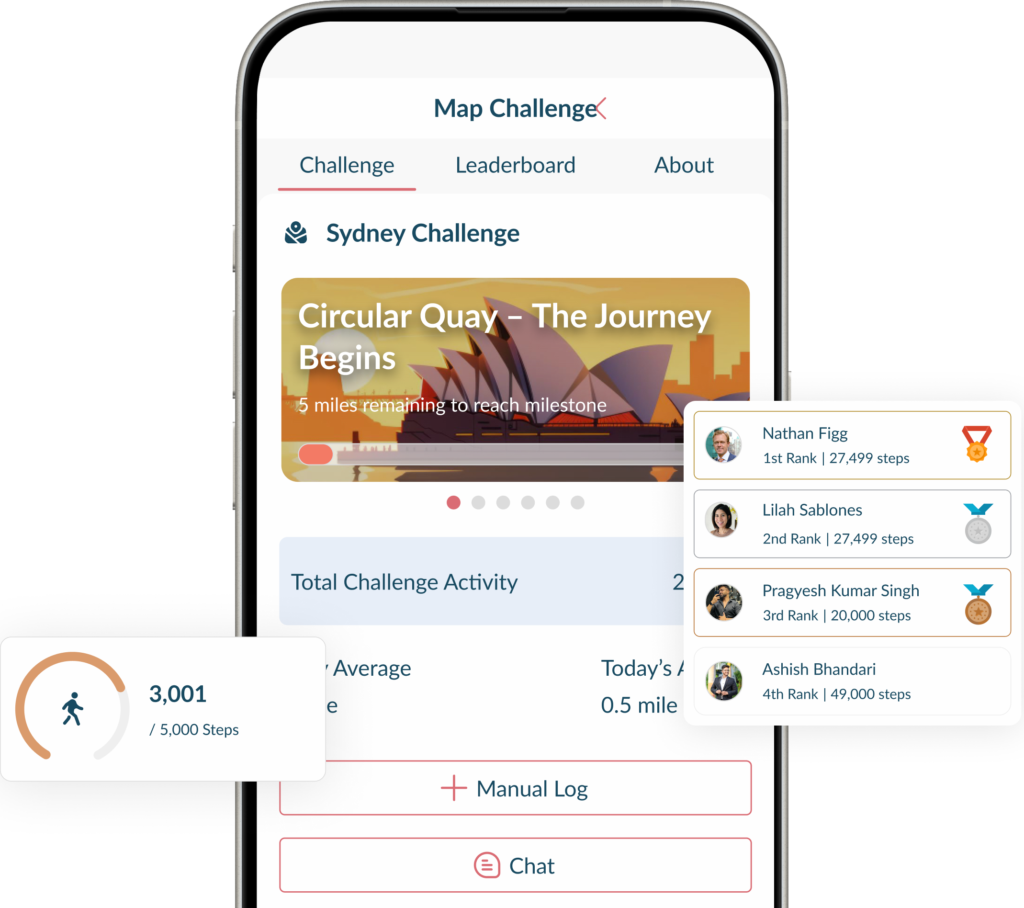
Plan it once, run it with ease. Woliba brings recognition, rewards, and wellbeing together in one simple platform.
Woliba starts from just $2/mo/employee.
Can a small business have a recognition program?
Yes. A small business program can be very simple, such as weekly shout-outs, a monthly award, and small rewards like time off. What matters most is being consistent and fair.
Conclusion
Building an employee recognition program doesn’t have to be complicated. Start by planning your goals, budget, and criteria. Then design a program that’s easy to use and includes everyone. Launch it with energy, and keep improving it by measuring results and listening to your team.
Remember, you don’t need a perfect program on day one. Start small, stay consistent, and grow it over time. The result will be a workplace where people feel valued, connected, and proud of their work.
Want an easier way to run your program? Start a free trial of Woliba and bring recognition, rewards, and wellbeing together in one place.