


Most employees don’t need a fancy party or an expensive gift to feel valued. What they really want is to feel seen, supported, and respected at work.
That’s why the best employee appreciation ideas are often the simplest ones. A sincere thank-you, a little flexibility when life gets busy, or a manager who cares about their growth can mean more than any trophy.
In this guide, we’ve skipped the filler and picked 25 ideas that make a real difference for almost every employee, in any role or industry. Each idea explains what it is, why it works, and how you can start using it today.
What Is Employee Appreciation?
Employee appreciation means showing people that you value them as human beings, not just for the work they deliver. It’s about care, respect, and noticing the person behind the job title.
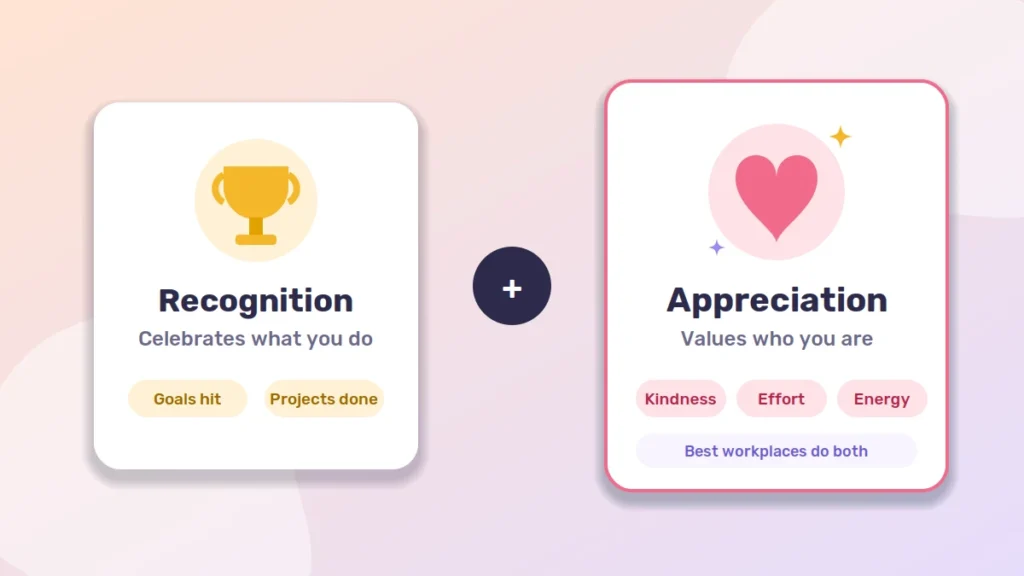
It’s closely linked to recognition, but there’s a small difference:
- Recognition focuses on what someone did, like finishing a project or hitting a goal.
- Appreciation focuses on who someone is, like their effort, kindness, and the energy they bring to the team.
Great workplaces do both. If you want ideas for celebrating achievements, read our guide to employee recognition ideas.
Why Employee Appreciation Matters
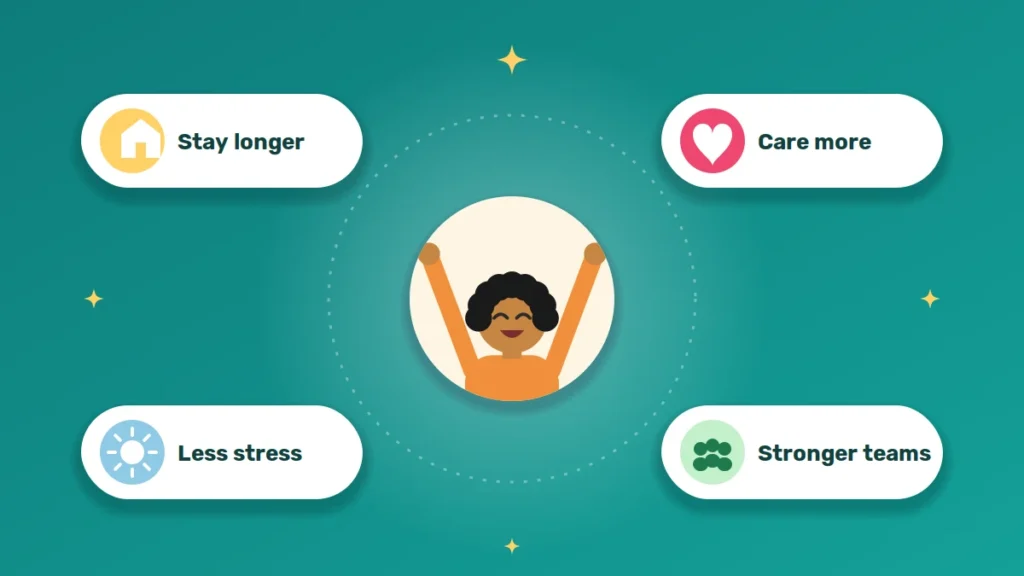
When people feel appreciated, good things happen for them and for the business:
- They stay longer. Feeling valued is one of the biggest reasons people stay with a company.
- They feel less stressed. Support at work makes tough days easier to handle.
- They work better together. Appreciation builds trust and stronger teams.
- They care more. People put more heart into their work when they know it matters.
Now, let’s get into the ideas.
Everyday Appreciation Ideas That Cost Nothing
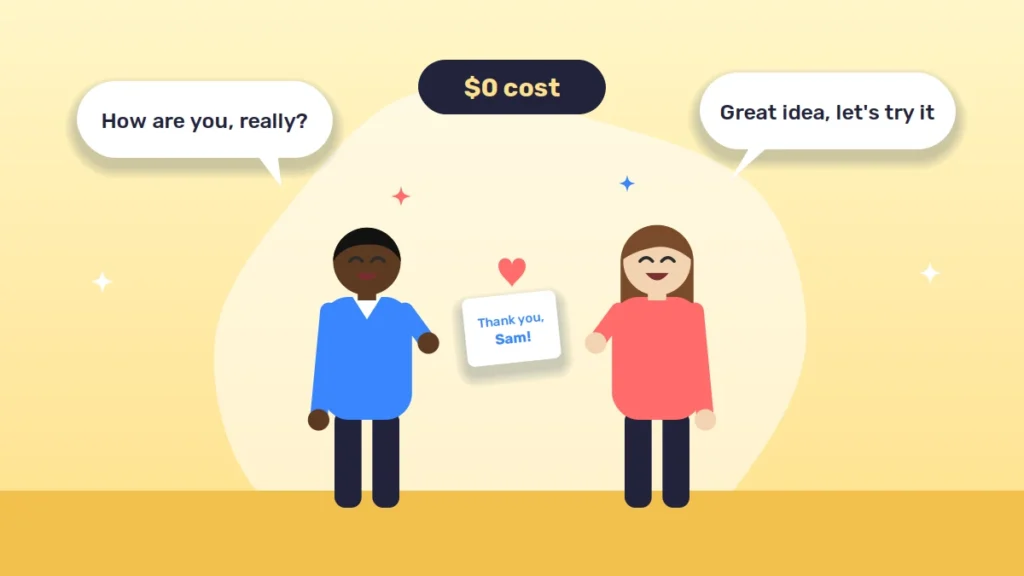
These ideas are the foundation of a caring workplace. They’re free, quick, and often the most meaningful.
1. Give Specific, Sincere Thank-Yous
A specific thank-you means telling someone exactly what they did and why it mattered, instead of saying a quick “good job.” For example: “Thanks for staying calm with that upset customer today. You turned the whole call around.” Specific praise shows you were really paying attention, which makes it feel honest and personal. It also tells the employee which actions to keep doing, so it supports their growth too. You can say it face to face, in a team meeting, or in a short message. Try to do it on the same day.
Try this: Every Friday, thank three team members for one specific thing they did that week.
2. Write a Personal Handwritten Note
A handwritten note is a short message on a card or paper, written by hand instead of typed. In a world full of quick emails and chat messages, it stands out because it takes real time and effort. That effort is exactly what makes people feel special. Keep it simple: two or three sentences about something you value in the person, such as their patience, humor, or reliability. Many employees keep these notes on their desks or at home for years, because they’re a lasting reminder that someone noticed them.
Try this: Write one note each week to a different team member until everyone has received one.
3. Check In on Their Wellbeing, Not Just Their Work
An intellectual wellbeing check-in means asking how someone is doing as a person, not just how their tasks are going. Many employees go weeks without anyone asking about their stress, energy, or life outside work. A genuine “How are you really doing?” shows you care about them as a whole person. It also helps managers notice early signs of stress or burnout, so they can offer support before problems grow. The most important part is listening. Give people time to answer honestly, and don’t rush back to the to-do list.
Try this: Start every one-on-one meeting with “How are you feeling this week?” before discussing any work.
4. Ask for Their Ideas, and Act on Them
This means inviting employees to share suggestions about their work, processes, or team life, and then actually using the good ones. Asking for input shows respect for people’s knowledge and experience. But the real appreciation comes from acting on it. When employees see their ideas create real change, they feel valued and trusted. If you can’t use an idea, explain why, so people know they were heard. Over time, this will help to improve the working culture where everyone feels comfortable speaking up, which helps the whole business improve.
Try this: When you use an employee’s idea, give them credit publicly: “This new process was Maria’s suggestion.”
5. Show Them the Impact of Their Work
Showing impact means letting employees see how their work helps customers, coworkers, or the company. Many people work hard every day but never hear what happens as a result. Closing that loop gives their work meaning. For example, you might share a customer’s thank-you email with the support agent who helped them, or show a developer how their new feature saved users time. When people understand that their effort makes a real difference, they feel proud, motivated, and more connected to the company’s goals.
Try this: Once a month, share one customer story or result with the team members who made it possible.
Appreciation Through Time and Flexibility
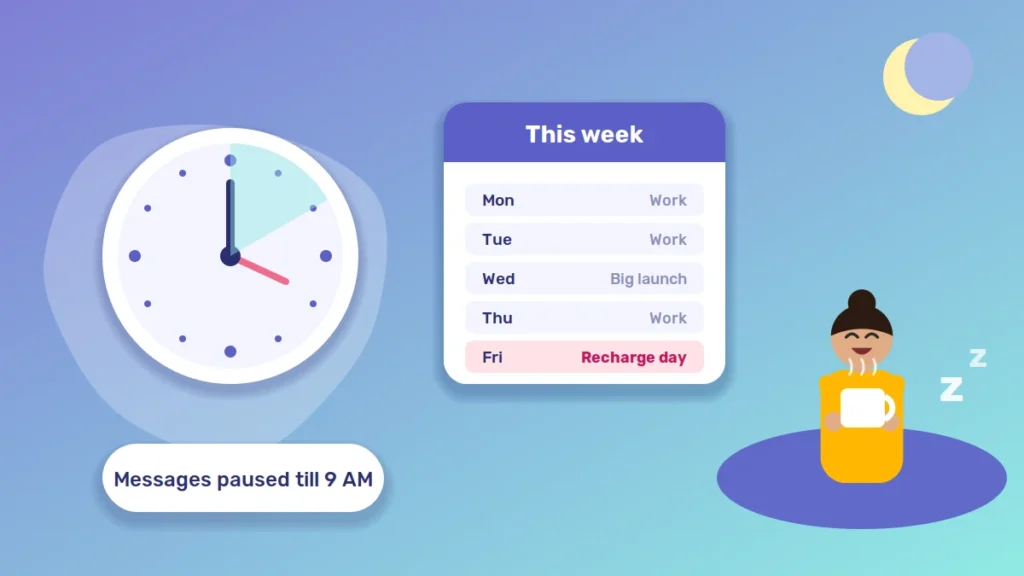
Time is one of the most valued things you can give. These ideas show respect for people’s lives outside work.
6. Offer Flexibility When Life Gets Busy
Flexibility means letting employees adjust when or where they work when personal challenges get demanding. Everyone faces busy moments: a sick child, moving house, caring for a parent, or a family event. In these moments, the option to start later, leave early, or work from home can make a huge difference. It shows that you trust your employees and care about their lives, not just their hours. People rarely forget a manager who supported them when they needed it most, and that trust builds strong, lasting loyalty.
Try this: Let employees request flexible hours during busy personal times without needing long explanations.
7. Give Extra Time Off After Big Efforts
This means giving employees an extra day or half-day off after a major project, tough deadline, or busy season. Big pushes often involve long hours and high stress. A bit of extra time off is a clear way to say, “We noticed how hard you worked, and we’re grateful.” It also gives people a chance to rest and recover, which helps prevent burnout. Many employees value free time more than money or gifts, because it lets them spend time with family, rest, or enjoy hobbies.
Try this: After your next big launch or busy season, give the whole team a “recharge day” off.
8. Protect Their Personal Time
Protecting personal time means respecting employees’ evenings, weekends, and vacations by not contacting them unless it’s truly urgent. When people feel they must always be available, stress builds and burnout follows. Respecting boundaries shows that you value their health, family time, and life outside work. This is especially important for managers, because employees often feel pressure to reply to a boss’s message right away, even late at night. When someone is on vacation, let them fully switch off so they come back truly refreshed.
Try this: Use the “schedule send” feature so messages written after hours arrive during work time.
Appreciation Through Wellbeing Support
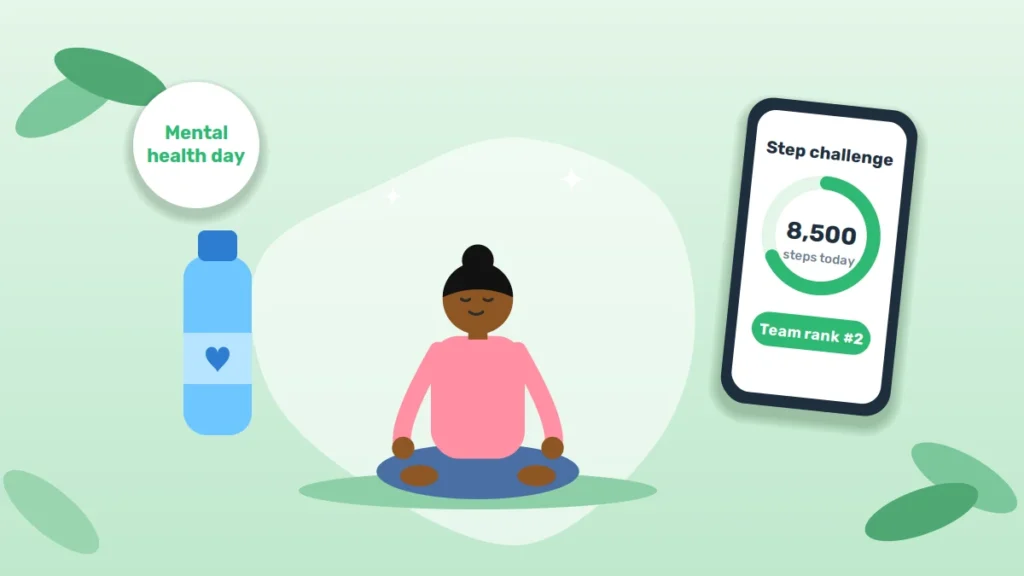
Caring about your team’s health is one of the deepest forms of appreciation. It shows you care about the whole person.
9. Offer Mental Health Days
A mental health day is a paid day off that employees can take simply to rest and recharge, with no illness or reason needed. Stress, tiredness, and emotional overload are real, but many people feel guilty taking sick leave for them. Mental health days remove that guilt and show that the company values social wellbeing as much as physical health. They help people step back, rest, and return with more energy and focus. For this idea to work, leaders should take these days too, so employees feel comfortable using them.
Try this: Add one or two mental health days per year to your leave policy and announce them clearly.
10. Start a Team Wellness Challenge
A wellness challenge is a friendly team activity where employees work toward a healthy goal together, like walking a certain number of steps, drinking more water, or sleeping better. It’s usually run over a few weeks, with progress tracked and small rewards along the way. Challenges make healthy habits for work-life balance, and they bring together people from different teams and locations. They also show employees that the company cares about their health beyond the office. Rewarding participation, not just winners, keeps everyone motivated, whatever their fitness level.
Try this: Run a 30-day step challenge. Platforms like Woliba make it easy to set up challenges, track progress, and reward your team in one place.
11. Provide a Wellness Stipend
A wellness stipend is a fixed amount of money the company gives employees, monthly or yearly, to spend on things that support their health and happiness. That could be a gym membership, yoga classes, a meditation app, sports gear, healthy food, or therapy sessions. The big benefit is choice. Everyone’s wellbeing needs are different, and a stipend lets each person decide what helps them most. It shows the company trusts employees to know what they need, and that their wellbeing is worth investing in.
Try this: Keep the rules simple and give clear examples of what employees can spend it on, so people actually use it.
Appreciation Through Growth
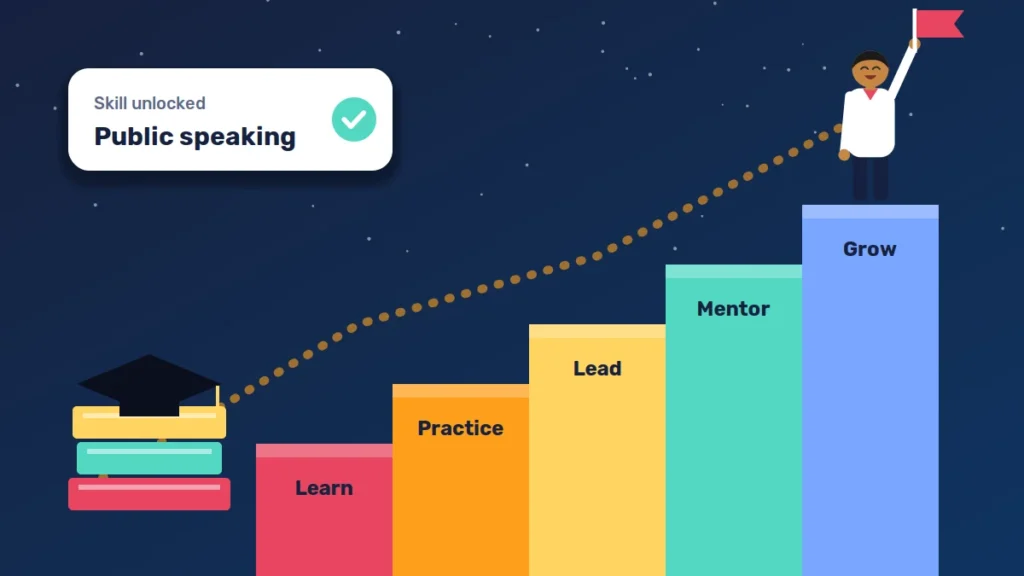
Investing in someone’s future is a clear way to say “we believe in you.”
12. Invest in Their Learning
Investing in learning means paying for or supporting wellness activities that help employees build new skills, such as online courses, certifications, workshops, conferences, or books. It shows that you see their potential and want them to grow, not just stay in the same role. Employees who keep learning feel more confident and motivated, and their new skills often benefit the company too. It’s also a strong reason for people to stay, because growth is one of the main things employees look for in a job.
Try this: Ask each team member, “What’s one skill you’d love to learn this year?” and help them make it happen.
13. Give Them Meaningful Opportunities
This means trusting employees with important work, such as leading a project, presenting to leadership, mentoring a new hire, or trying a new kind of task. These are often called “stretch opportunities,” because they stretch people beyond their usual work. Being trusted with something important shows that you believe in their abilities. It helps them grow, gain visibility, and build confidence. Even small chances, like running a team meeting, can make someone feel valued. Just make sure to offer support, so they feel set up for success.
Try this: Let the person who did the work present the results to leadership, instead of presenting it for them.
14. Hold Regular Career Conversations
A career conversation is a one-on-one chat focused on an employee’s goals, interests, and future, not their daily tasks. One helpful type is a “stay interview,” which asks what keeps an employee happy at work and what would make their job better. It’s the opposite of an exit interview, which happens after someone has already decided to leave. These conversations show you care about their future and help you fix problems early. Employees who feel heard about their careers are far more likely to stay.
Try this: Hold a stay interview once or twice a year. Ask, “What keeps you here, and what would make your job even better?”
Appreciation Through Team Connection
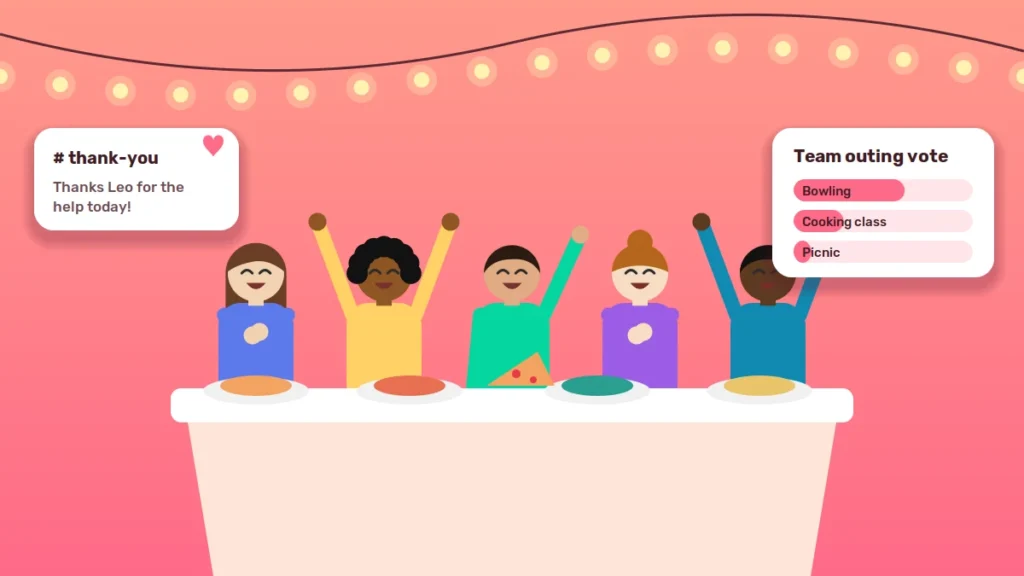
Feeling part of a team is a big part of feeling valued at work.
15. Share a Meal Together
Sharing a meal means bringing the team together over breakfast, lunch, or snacks, either paid for by the company or as a potluck, where everyone brings a dish from home. Food naturally brings people together and creates a relaxed space to talk about things beyond work. These moments help coworkers get to know each other, build friendships, and feel part of a team. A shared meal is also a simple way to thank people after a busy week. It’s easy to organize and works for teams of any size.
Try this: Host a monthly team lunch, or a potluck where people share a favorite family recipe.
16. Create a Peer Appreciation Space
A peer appreciation space is a place where coworkers can thank and praise each other, not just hear it from managers. It can be a physical thank-you wall in the office or a digital space, like a dedicated Slack or Microsoft Teams channel. Managers can’t see everything that happens, but coworkers often notice the small, helpful things first. Appreciation from peers feels genuine and happens more often. Over time, it builds a systemized culture where saying thank you becomes a normal, everyday habit for everyone.
Try this: Set up a #thank-you channel and ask managers to post in it first to get it started.
17. Let the Team Choose an Outing
This means planning a team activity outside normal work, like bowling, a cooking class, an escape room, or a picnic, and letting employees vote on what to do. Team outings give people a chance to relax, laugh, and bond in a different setting. Letting the team choose makes it more enjoyable, because people pick something they actually want to do. It also shows that you value their preferences. Just make sure the activity is inclusive, so everyone can join, whatever their age, fitness level, or interests.
Try this: Share three activity options in a quick team poll and go with the most popular choice.
Appreciation in Personal Moments
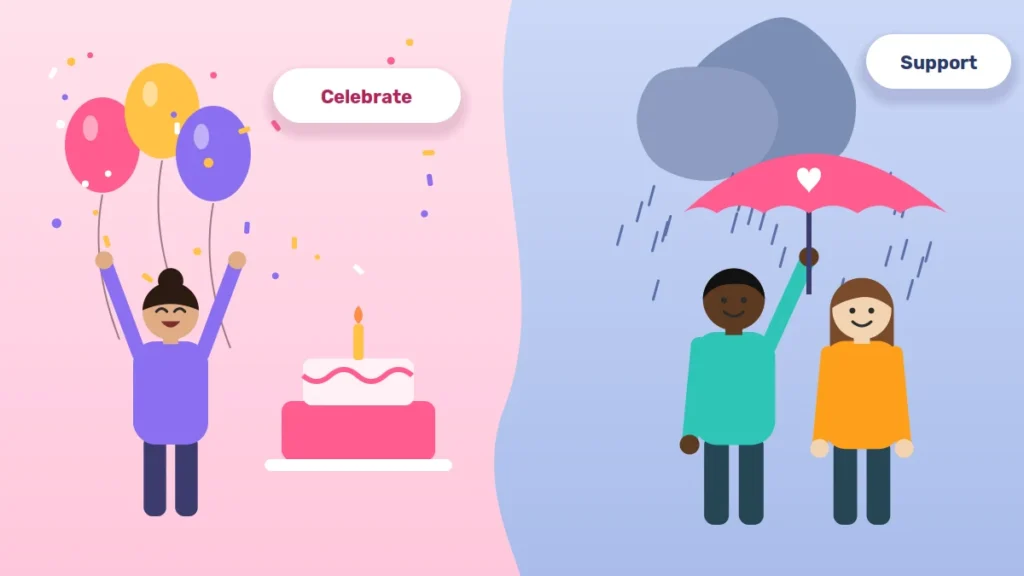
How you show up during life’s big moments, both happy and hard, says a lot about your culture.
18. Celebrate Milestones and Life Events
Milestones are important moments in an employee’s work or personal life, like work anniversaries, birthdays, weddings, a new baby, buying a home, or graduating from a course. Celebrating these moments shows that you care about their whole life, not just their job. It doesn’t have to be big. A card signed by the team, a small treat, or a message from their manager is often enough. These small gestures help employees feel like valued members of a community, not just names on a payroll.
Try this: Keep a simple shared calendar of team birthdays and work anniversaries so nothing gets missed.
19. Support Them Through Tough Times
This means offering kindness, flexibility, and practical help when an employee is going through something difficult, like illness, the loss of a loved one, divorce, or a family crisis. During these times, work can feel overwhelming. Simple support, like time off, a lighter workload, or covering their tasks, can make a huge difference. Sometimes just saying “Take care of yourself, we’ve got things covered here” is the most powerful thing you can do. People remember who supported them when life was hard.
Try this: Make sure managers know what support options exist, such as leave policies or employee assistance programs, so they can share them quickly.
Appreciation for Remote Employees
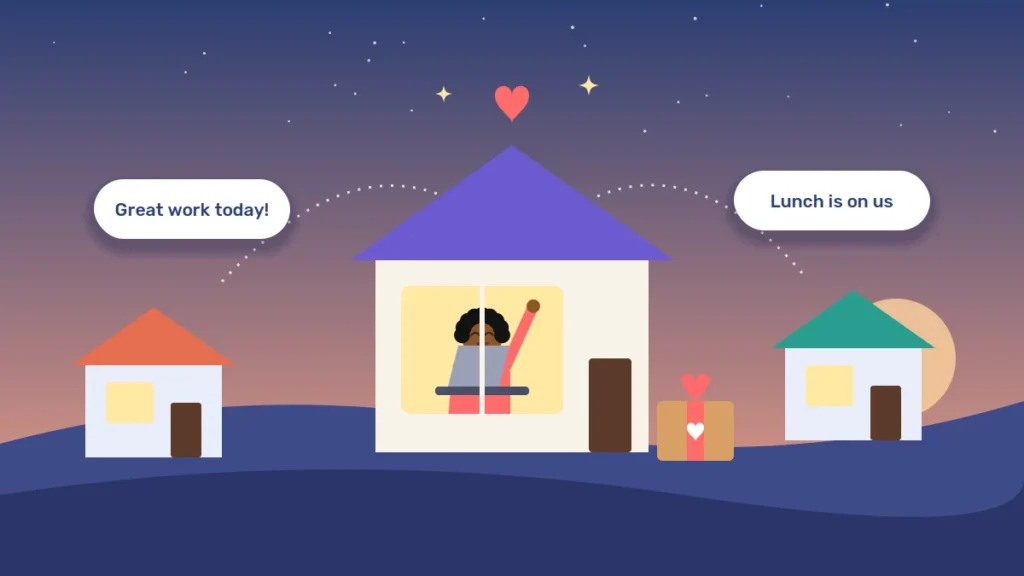
Remote Employees can easily feel forgotten. These ideas make sure they feel just as valued as office staff.
20. Send a Surprise Care Package
A care package is a box of thoughtful items mailed to an employee’s home, like snacks, a handwritten note, a mug, or self-care products. For remote Employees who rarely see their team in person, getting something physical in the mail feels personal and exciting. It reminds them that they’re an important part of the team, even from far away. Care packages work well after big projects, during stressful seasons, or simply as a surprise. Adding a personal note makes it feel even more special and meaningful.
Try this: Send care packages to remote employees during your busiest season to say “we see you.”
21. Include Remote Staff Equally
Including remote staff equally means making sure employees who work from home get the same attention, opportunities, and celebrations as people in the office. Remote Employees often miss out on casual chats, office treats, and face time with leaders. Over time, this can make them feel left out or overlooked for growth. Fair inclusion means inviting them to every meeting and celebration, sharing news with everyone at the same time, and considering them equally for projects and promotions. It shows that their contribution matters, no matter where they work.
Try this: When you celebrate in the office with food, send remote employees a food delivery voucher so they can join in.
Thoughtful Gifts That Feel Personal

Gifts work best when they show you know the person. Personal beats expensive every time.
22. Give a Gift Based on Their Interests
A personal gift is one chosen around what the employee actually enjoys, like a book on their favorite topic, gear for their hobby, or a treat they love. Generic gifts, like a basic company pen, are quickly forgotten. A personal gift says, “I know you, and I pay attention.” That feeling matters far more than the price. Even a small gift can make a big impression when it’s thoughtful. The key is listening to what employees mention about their hobbies, favorite foods, or interests during normal conversations.
Try this: Keep a quick private note of things employees say they love, and use it when choosing gifts.
23. Choose Experiences Over Things
An experience gift gives someone an activity to enjoy instead of a physical item. Examples include concert tickets, a spa voucher, a cooking class, a dinner out, or tickets to a sports game. Experiences often create stronger and longer-lasting memories than objects, which can end up forgotten in a drawer. They also give employees time to relax and enjoy themselves, often with friends or family. Offering a few options lets each person pick what they’ll enjoy most, which makes the gift feel even more personal.
Try this: Offer two or three experience options and let the employee choose their favorite.
Bigger Moments of Appreciation
24. Make Employee Appreciation Day Count
Employee Appreciation Day is an unofficial holiday held on the first Friday of March every year. In 2027, it falls on Friday, March 5. It’s a dedicated day for companies to thank their employees, and a great chance to go a little bigger than usual. You don’t need a huge budget. Combining a few simple ideas, like a team breakfast, handwritten notes from leaders, and an early finish, can make the day memorable. Some companies stretch it into a full week of small, fun activities.
Try this: Use this simple Appreciation Week plan:
- Monday: Thank-you notes from managers
- Tuesday: Coffee and treats
- Wednesday: A wellness activity, like yoga or a team walk
- Thursday: Everyone thanks a coworker
- Friday: Team lunch and an early finish
25. Lead by Example
Leading by example means leaders and managers regularly show appreciation themselves, so it becomes a natural part of company culture. Employees watch what leaders do much more closely than what they say. When leaders thank people often, give credit for team wins, and show care for wellbeing, others follow. But if leaders never show appreciation, policies and wellness programs feel empty. Appreciation from the top also carries extra weight, because it shows the company truly values its people. Culture is built one small action at a time.
Try this: Ask every manager to share at least one specific thank-you with their team each week.
How to Make Appreciation a Habit
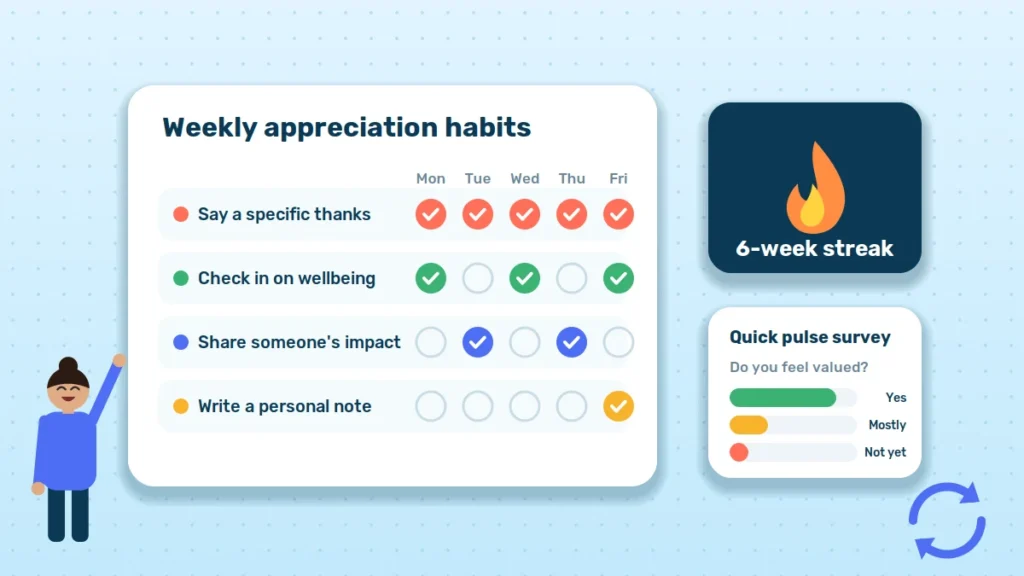
The most effective appreciation isn’t a one-time wellness event. It’s built into everyday work. Keep these wellness tips in mind:
- Be consistent. Small, regular gestures matter more than one big event each year.
- Make it personal. Some people love public praise, while others prefer a quiet thank-you. Learn what each person likes.
- Include everyone. Remote workers, night shifts, and quieter team members deserve equal attention.
- Ask your team. Run a quick survey to learn what makes people feel most appreciated, then do more of it.
- Make it easy. An employee wellbeing platform like Woliba brings recognition, rewards, and wellness together, so managers can show appreciation consistently without extra work.
Conclusion
You don’t need 100 ideas to build a culture of appreciation. You just need a few that are done well and done often.
Start with two or three ideas from this list that fit your team. Maybe it’s a weekly thank-you note, a recharge day after a big project, or a simple question like “How can I support you?” Small, sincere actions like these add up to employees who feel valued, happy, and proud to be part of your team.
Want to make appreciation easier across your organization? Start a free trial of Woliba and bring recognition, rewards, and wellbeing together in one simple platform.